Waterproofing may not be the most glamorous part of home maintenance and renovations, but it is undoubtedly one of the most crucial. Water is one of the most destructive elements that a house can face, silently wreaking havoc behind walls, beneath floors, and in places you may not notice until serious damage has occurred. Whether you are maintaining an older home or undertaking a new renovation project, implementing effective waterproofing techniques can save you thousands in future repairs, protect your health, and preserve the value of your home.
Let’s dive into practical, often overlooked waterproofing tips that should be considered in home maintenance and renovations.
Why Waterproofing Should Be a Top Priority
Moisture intrusion can lead to mold growth, wood rot, foundation cracks, electrical hazards, and even pest infestations. These issues often start small and invisible, only to balloon into major structural or health problems. That’s why proactive waterproofing is a foundational step in protecting your property. It’s not just about keeping your home dry during a heavy rain—it’s about creating long-term protection from hidden water threats that often go unnoticed until it’s too late.
During renovations, waterproofing becomes even more important. Whenever you open up walls, add new fixtures, or alter your foundation, you risk unintentionally introducing weak points in your home’s water defense system. Addressing these vulnerabilities during the renovation phase is far easier and more cost-effective than dealing with water damage after the fact.
Start with a Thorough Inspection
Before applying any waterproofing products or making changes, inspect your home thoroughly. Look for signs of water damage like peeling paint, soft wood, musty smells, or visible mold. Check basements, crawlspaces, attics, rooflines, and the foundation. These are common areas where water intrusion begins.
Don’t ignore subtle signs such as discolored drywall, sagging ceilings, or damp spots on floors. If necessary, bring in a professional inspector who uses tools like moisture meters and thermal imaging to detect hidden leaks.
Basement and Foundation Waterproofing
Basements are notorious for water issues. Even if you don’t plan to use the basement as a living space, keeping it dry is essential to protecting the overall structure of the home. Water in the basement can seep into the foundation, lead to mold growth, and weaken the home’s structural integrity.
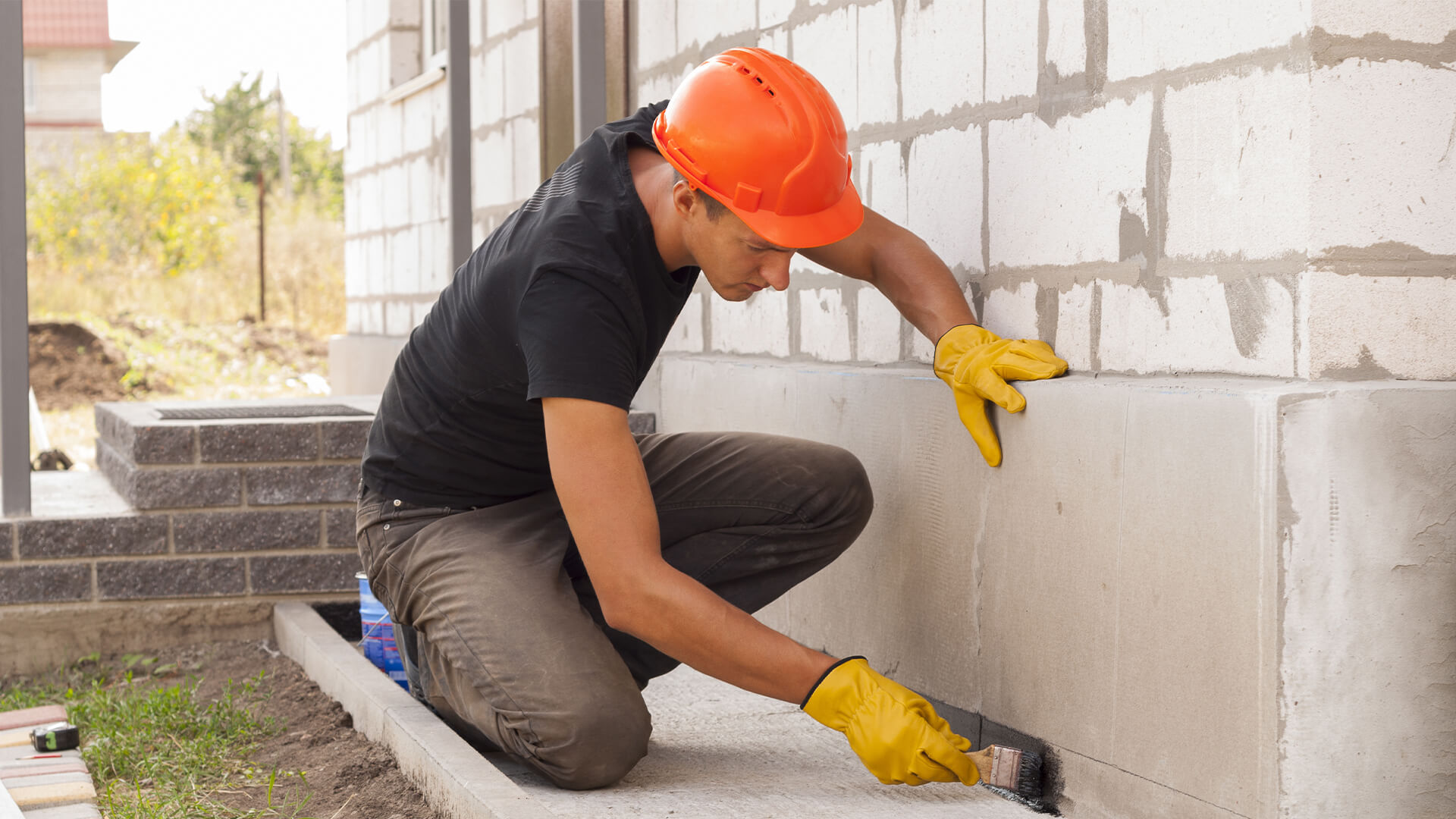
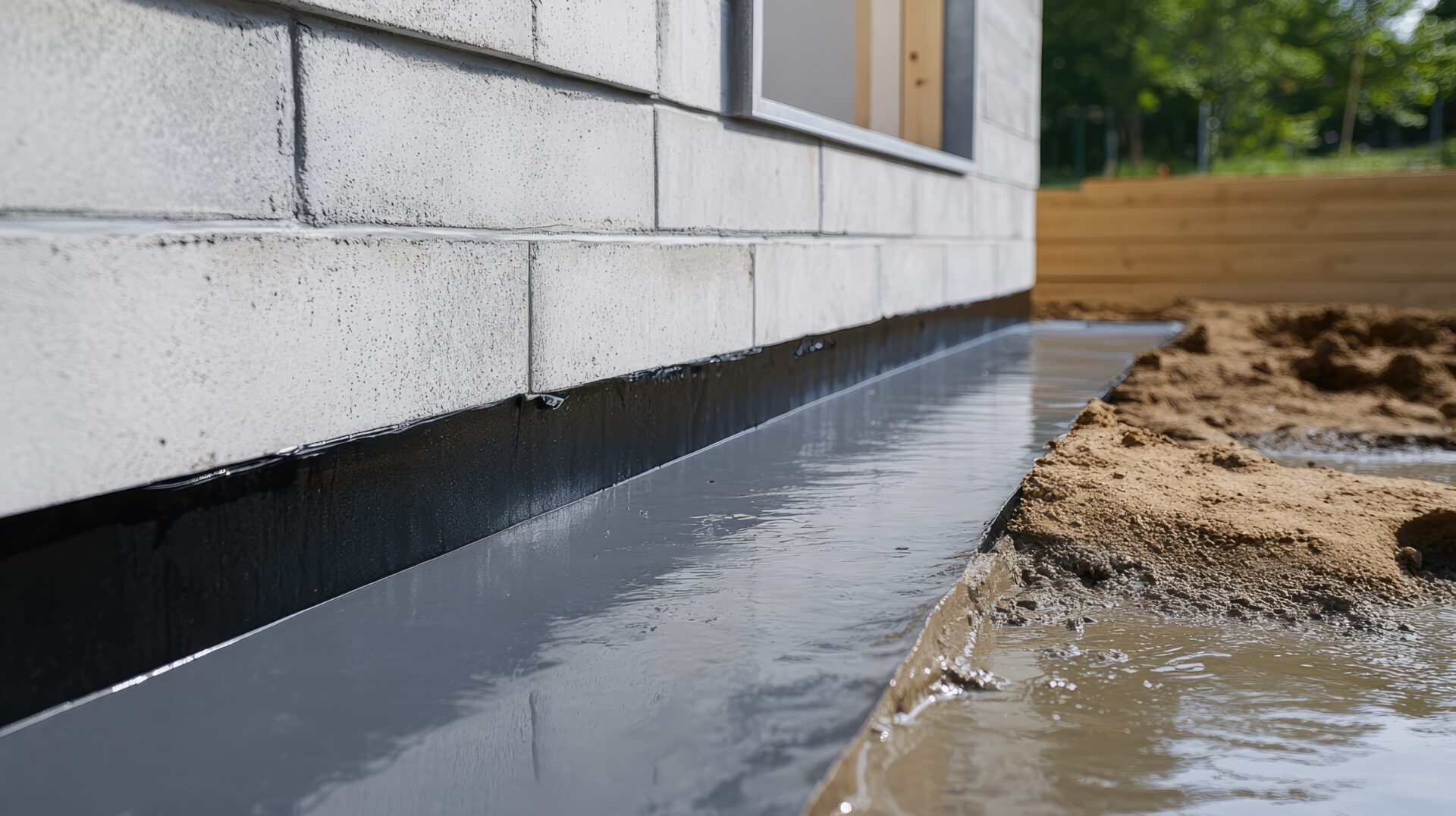
Exterior waterproofing is the most effective approach. It includes installing a drainage system around the foundation, applying a waterproof membrane to exterior walls, and ensuring proper grading so water flows away from the structure. Interior waterproofing solutions like sump pumps, vapor barriers, and drainage mats are also useful, especially in regions prone to heavy rain or rising water tables.
When renovating a basement, always consider waterproof materials such as moisture-resistant drywall and flooring options like tile, vinyl, or engineered wood. Avoid traditional carpets or untreated wood, which absorb moisture easily.
Roof and Gutter Maintenance
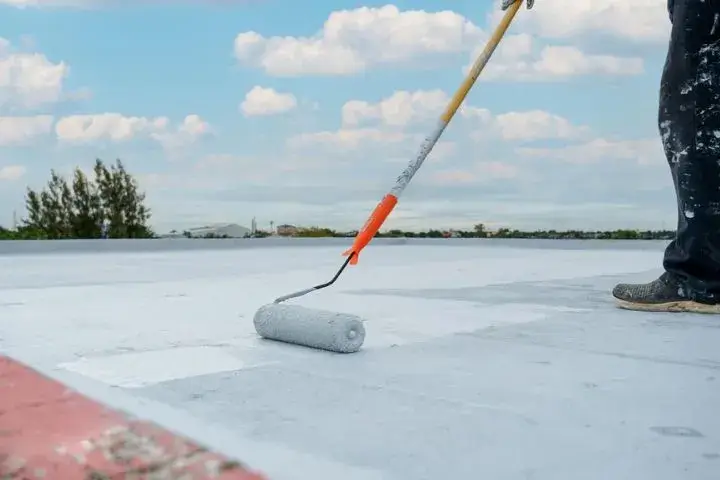
Your roof is your home’s first line of defense against rain, snow, and even humid air. If your roof is old or poorly maintained, water can easily seep in and cause internal damage. Renovations often involve roof additions or alterations—this is the perfect time to reinforce waterproofing measures.
Inspect shingles or roofing materials for cracks, curls, or missing pieces. Flashing around chimneys, skylights, and vents must be intact and sealed properly. Flat roofs, in particular, require excellent drainage systems and waterproof membranes to avoid pooling water.
Gutters and downspouts also play a vital role. Ensure that they’re clear of debris and properly directing water at least five feet away from your home’s foundation. During renovations, consider adding gutter guards or upgrading your drainage system to handle heavy rainfall more efficiently.
Waterproofing Bathrooms and Kitchens
Bathrooms and kitchens experience more water usage than any other area in the house, which makes them key targets for waterproofing. Whether you’re doing a full remodel or simply upgrading fixtures, integrating waterproofing strategies is essential.
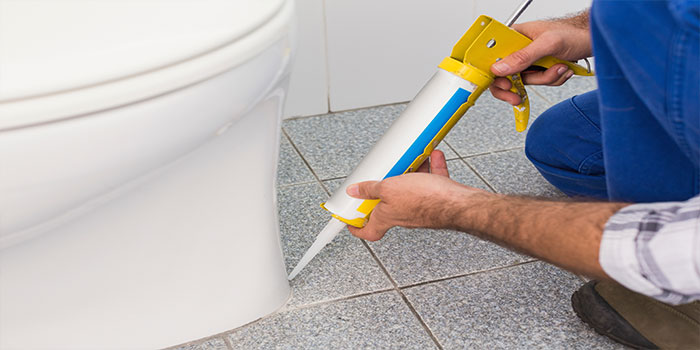
Use moisture-resistant drywall or cement board in walls around showers, bathtubs, and backsplashes. Waterproof membranes should be applied beneath tile flooring, especially in showers or areas near sinks. Seal all joints, corners, and seams using waterproof sealant or caulk. Also, be sure to install high-quality exhaust fans to control humidity levels, which can contribute to mold and mildew growth even without visible leaks.
Plumbing updates during a renovation provide a golden opportunity to inspect pipes for wear, upgrade to PEX or copper piping, and seal any potential leak points with waterproof compounds.
Windows and Doors: Don’t Overlook These Entry Points
Improperly sealed windows and doors can allow water to infiltrate the home slowly, especially during storms. Water intrusion around windows is a common culprit for moldy drywall and soft, crumbling wood.
During renovations, inspect all window and door frames. Replace or reinforce worn-out seals, install flashing tape, and apply weather-resistant caulking. For windows below ground level or in basements, consider adding window wells with proper drainage systems.
If you’re installing new windows or doors, choose models rated for high moisture resistance and energy efficiency, which will also help reduce condensation buildup.
Exterior Walls and Siding Protection
Your siding protects the entire framework of your house from the elements. When siding materials wear down or are improperly installed, water can easily get in behind the walls. Cracks, gaps, or poorly installed joints can channel rainwater right into your home’s envelope.
Choose siding materials that are durable and water-resistant, such as fiber cement, vinyl, or treated wood. Always install a weather-resistant barrier behind the siding to add an extra layer of protection. During any renovation that involves the exterior, inspect and seal all gaps and transitions.
Don’t forget paint and sealants. If your home has painted wood siding, regular painting with high-quality waterproof paint will help repel moisture and prevent rot. Also, check masonry walls for cracks and repoint them if necessary.
Landscaping and Yard Drainage
Proper grading around your home is vital. Your yard should slope away from the house so rainwater naturally flows away from the foundation. Over time, soil can shift, and improper landscaping can inadvertently cause pooling water near the structure.
Use renovation time to address poor grading issues. Regrade low areas, extend downspouts, and install French drains or swales if necessary. Be cautious with flower beds or decorative stones placed near the house—these can trap water against the foundation if not properly sloped or drained.
For added protection, install rain gardens or dry wells to capture and redirect water in a more sustainable way.
Choose the Right Waterproofing Products
Not all waterproofing products are created equal. Always choose products rated for the specific conditions you’re addressing. For example, a foundation coating needs to be different from a bathroom tile sealer or a flat roof membrane.
Some reliable products to consider include:
- Liquid rubber waterproof sealants for foundation walls
- Cementitious coatings for interior basement walls
- Elastomeric roof coatings
- Waterproofing tapes and membranes for showers and wet rooms
- Silicone caulks and polyurethane sealants for windows and joints
Follow manufacturer instructions carefully. Many failures in waterproofing stem from improper application rather than poor-quality products.
A Smart Investment with Lasting Benefits
Waterproofing isn’t just about avoiding water—it’s about protecting your investment, health, and peace of mind. Whether you’re doing a full home renovation or focusing on yearly maintenance, integrating proper waterproofing practices pays off in the long run.
Every home is different, and the climate where you live also plays a role in how aggressive your waterproofing measures should be. Coastal homes, for instance, need far more robust protections than homes in dry inland climates. That said, every homeowner benefits from proactive waterproofing, no matter where they live.
When you commit to these waterproofing tips during maintenance and renovations, you’re doing more than just preserving your property. You’re ensuring that your home remains strong, dry, and livable for years to come.