Aging in place is becoming an increasingly popular choice for older adults who wish to spend their later years in the comfort of their own homes rather than in assisted living facilities. But living independently as we age requires thoughtful planning, particularly when it comes to the design, structure, and maintenance of a home. Home maintenance and renovations for aging in place focus on safety, accessibility, convenience, and comfort—all essential for maintaining quality of life.
This blog post explores the key considerations and practical changes homeowners can make to ensure their homes remain suitable as their needs evolve with age.
Understanding the Importance of Aging in Place
The desire to age in place is rooted in emotional and psychological comfort. Home is a space filled with memories, familiar routines, and a sense of autonomy. However, the typical home often isn’t designed to accommodate the physical changes that come with aging. Tasks that were once simple—like climbing stairs or getting into a bathtub—can become significant challenges.
This is why proactive renovations and maintenance tailored to aging in place are so important. By anticipating future mobility or health concerns and making updates early, homeowners can avoid sudden crises and expensive emergency modifications.
Prioritizing Safety: A Non-Negotiable Foundation
The first and most crucial aspect of home maintenance for aging in place is safety. As balance, vision, and reaction time diminish over time, the risk of falls or accidents increases. The home must be modified to reduce these risks.
One of the most common areas of concern is flooring. Slippery surfaces, loose rugs, or uneven tiles can lead to falls. Replacing flooring with non-slip materials, securing area rugs, and ensuring transitions between rooms are smooth and level are essential steps.
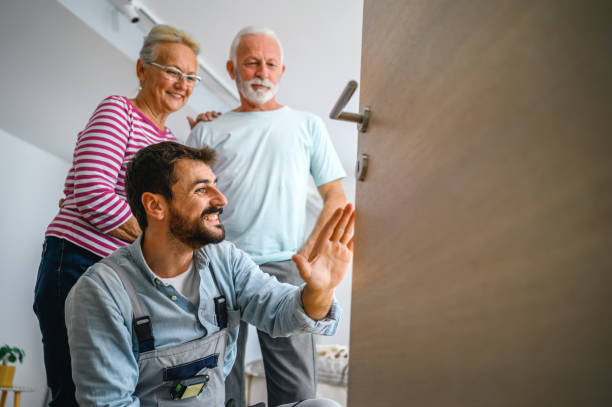
Good lighting throughout the home also plays a key role in preventing accidents. Bright, glare-free lighting in hallways, staircases, and bathrooms ensures that hazards are visible. Additionally, motion-sensor lights at entryways and inside rooms can provide added convenience and safety.
Staircases deserve particular attention. Adding handrails on both sides, installing stair treads, or even considering a stair lift can make multi-level homes more navigable. In some cases, converting part of the home into a single-level living space may be necessary.
Making Bathrooms Safer and More Accessible
Bathrooms are high-risk zones for slips and falls, especially for older adults. Renovating these spaces with accessibility in mind can drastically reduce risk and increase comfort.
Walk-in showers with grab bars and slip-resistant floors offer safer bathing options than traditional tubs. A built-in or portable shower seat can provide comfort during use. Installing a handheld showerhead adds further convenience.
Raised toilet seats and strategically placed grab bars make daily routines easier and safer. For those with limited mobility, considering a walk-in tub or a zero-threshold shower can be a life-changing upgrade.
Maintenance also plays a role in bathroom safety. Leaky fixtures should be fixed promptly to prevent slippery conditions. Mold buildup in humid spaces can affect respiratory health and should be cleaned regularly with proper ventilation in place.
Kitchen Renovations for Function and Ease
The kitchen is another critical space that requires attention when planning to age in place. Many standard kitchen features—like deep cabinets, high shelves, or low drawers—can become difficult to access over time.
To improve accessibility, homeowners can install pull-out shelves, lazy Susans, or drawer organizers that reduce the need for reaching or bending. Lever-style faucet handles are easier for arthritic hands to operate than knobs. Wall-mounted ovens and side-opening doors can also provide safer access to cooking appliances.
Ensuring the kitchen remains well-lit, clutter-free, and equipped with slip-resistant flooring enhances both safety and usability. Maintenance tasks, such as checking for frayed electrical cords or outdated appliances, are equally important for preventing fire hazards and maintaining functionality.
Entryways and Doorways: The Importance of Easy Access
Getting in and out of the home should not be a struggle. Renovations to entryways are crucial for maintaining independence.
Widening doorways to accommodate walkers or wheelchairs is often necessary. Replacing steps with ramps and ensuring thresholds are flush or beveled helps reduce tripping risks. Exterior lighting should be reliable and bright, especially near entrances.
For added safety and convenience, smart locks or keyless entry systems can eliminate the difficulty of turning traditional keys. Video doorbells also provide security and allow for easy communication with visitors.
Keeping pathways clear of debris, snow, or overgrown vegetation is a simple maintenance task that makes a big difference in everyday accessibility.
Bedroom Adjustments for Comfort and Safety
As aging progresses, the bedroom should offer a restful environment while also addressing physical limitations. For some, this means moving the bedroom to the ground floor to eliminate the need to climb stairs.

Bed height should be adjusted so it’s easy to get in and out of without strain. Consider adjustable beds that allow for elevation of the head or legs. Nightstands should be stable and placed within easy reach of the bed, and lighting should be controllable from the bed itself.
Smoke detectors, carbon monoxide alarms, and emergency alert systems should be tested regularly and kept in good condition. In the event of an emergency, having phones or call systems nearby is crucial.
Incorporating Smart Home Technology
Modern home technology can be a great asset for those choosing to age in place. From voice-controlled lighting and thermostats to medical alert systems and home automation, technology simplifies daily routines and improves safety.
For instance, smart thermostats help maintain comfortable temperatures without the need to adjust hard-to-reach dials. Motion detectors and automatic lighting increase visibility at night. Leak detectors can alert homeowners to plumbing problems before they cause significant damage.
It’s essential to maintain these devices properly. Regular software updates, battery replacements, and Wi-Fi reliability checks ensure the systems continue working as expected.
Maintenance Musts: Keeping the Home in Shape
Beyond major renovations, ongoing home maintenance is critical for aging in place. A home that’s structurally sound, weather-tight, and energy-efficient offers peace of mind and stability.
Routine tasks such as checking the HVAC system, cleaning gutters, inspecting roofs, and ensuring plumbing and electrical systems are in good condition should not be neglected. Scheduling professional inspections annually can catch small issues before they become large, expensive problems.
Keeping a home organized and clutter-free also reduces the risk of falls and accidents. Storage should be easily accessible, and unnecessary furniture or decor that creates obstacles should be removed.
Hiring reliable maintenance professionals becomes increasingly important as physical ability declines. Establishing relationships with trustworthy contractors and handymen ensures help is available when needed.
Planning for Future Needs
Aging in place is not just about adapting a home to current needs—it’s also about anticipating what might come in the years ahead. Even if homeowners are still agile and independent, preparing the home with future mobility or health limitations in mind is a smart, proactive move.
Universal design principles can be helpful during renovations. These design strategies create environments that work for people of all ages and abilities. Features like wide doorways, open floor plans, and no-step entries benefit everyone, not just seniors.
Homeowners should also think about financial planning. Aging in place can be more affordable than assisted living, but upfront renovation and maintenance costs should be factored into long-term budgeting. Some local and national programs offer financial aid, tax credits, or grants to help with accessibility improvements.
Creating a Safe, Comfortable, and Independent Future
Home maintenance and renovations for aging in place aren’t about giving up independence—they’re about preserving it. A home can be both beautiful and functional while also being safe and accessible. By making thoughtful renovations, staying on top of maintenance, and planning ahead, older adults can enjoy the familiarity of their homes without compromising on safety or comfort.
Whether it’s updating the bathroom with grab bars and walk-in showers, reconfiguring entryways with ramps, or simply maintaining the HVAC system and replacing outdated fixtures, every step taken contributes to a better quality of life. Aging in place is more than just staying in a home—it’s about living well in it.