Breathing new life into an aging home is more than just a design challenge—it’s an opportunity to honor the past while shaping a more functional and beautiful future. Old homes come with character, charm, and stories embedded in every creak of the floorboard. However, with time, they also come with wear, inefficiencies, and outdated systems. Through thoughtful home maintenance and renovations, homeowners can preserve the soul of their space while transforming it to meet modern needs. In this guide, we’ll explore how to approach transforming old spaces, from assessing the current condition to making impactful updates that blend style, comfort, and practicality.
Understanding the Potential in Older Homes
Older homes often boast features that are difficult or costly to replicate today—original hardwood floors, plaster walls, stained glass windows, hand-carved moldings, or intricate tile work. These unique characteristics give such spaces their personality and value. However, old homes can also suffer from neglect, outmoded layouts, or structural challenges that require more than just cosmetic improvements.
Before diving into renovations, it’s essential to see the potential rather than the problems. The quirks of an older house can become focal points when combined with thoughtful upgrades. The key lies in identifying what should be preserved and what needs to evolve.
Assessing the Condition of the Space
The first step in transforming an old space is a detailed assessment. This goes beyond a casual walkthrough. Homeowners should consider hiring professionals such as inspectors or contractors to evaluate structural integrity, plumbing, electrical systems, insulation, roofing, and potential hazards like mold, asbestos, or lead paint.
Many old homes lack modern safety features like grounded electrical systems or proper ventilation. Bringing these elements up to code should be the priority, even if it means putting aesthetic upgrades on hold. Safety and longevity are at the heart of any successful renovation.
Once the essential repairs are identified, homeowners can prioritize tasks based on urgency, cost, and overall impact. It’s wise to begin with repairs that prevent further deterioration—such as fixing a leaky roof or updating a cracked foundation—before shifting focus to design updates.
Planning with Purpose
Old homes often have layouts that no longer match modern lifestyles. Closed-off rooms, cramped kitchens, or unused dining areas can be reimagined to create more open, flowing environments. At the same time, care should be taken not to erase historical charm for the sake of trends.
When planning renovations, it’s helpful to reflect on how the space is currently used versus how it could be used. Are there underutilized rooms? Is the kitchen isolated from the rest of the home? Is there potential to open up walls or combine spaces?
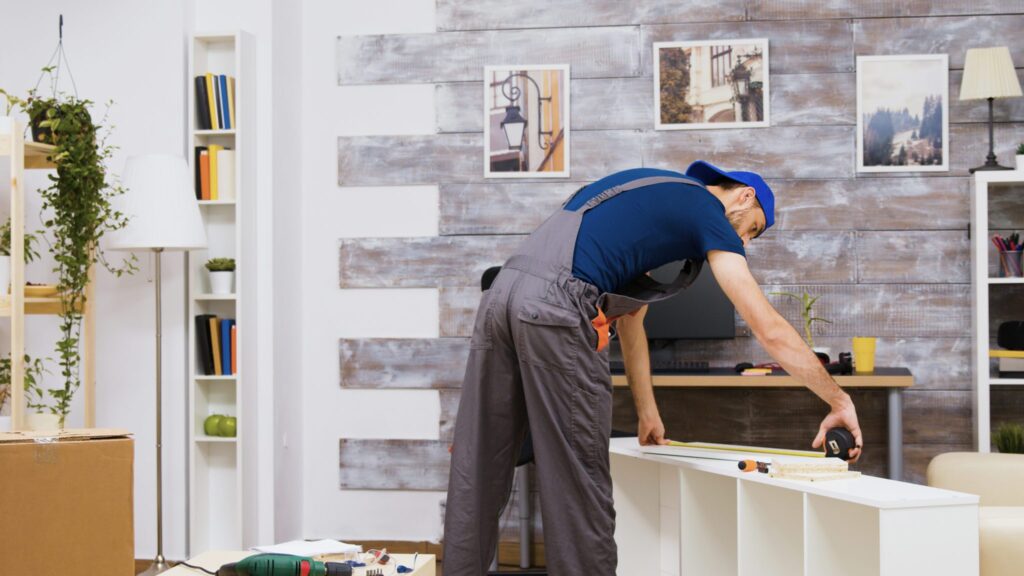
Functionality should lead the way. For example, combining a small kitchen with an adjacent dining room can create a bright, open-concept layout. Adding storage where old homes often lack it—such as built-in cabinetry under stairs or custom closets—can significantly improve livability without altering the home’s personality.
Blending Old and New
One of the most rewarding aspects of renovating an old home is the creative challenge of blending old and new elements. Instead of erasing history, thoughtful renovations should seek to highlight it. This might mean keeping original woodwork while installing new appliances, or restoring plaster ceilings while updating the lighting.
Choosing materials that complement the age and architecture of the home helps create a harmonious transition. For example, if your home has mid-century bones, consider cabinetry, hardware, and fixtures that echo that era’s style but meet today’s performance standards.
Paint can be a powerful tool in transforming old spaces. Neutral tones can modernize a room while allowing historical details to shine, while bolder colors can inject new energy into spaces like bathrooms or accent walls. Refinished floors, updated light fixtures, and reimagined entryways can all transform a home without diminishing its character.
Addressing Efficiency and Sustainability
One of the major challenges in old homes is energy inefficiency. Single-pane windows, lack of insulation, and outdated HVAC systems can lead to high utility bills and uncomfortable living conditions. Fortunately, home maintenance and renovations present a prime opportunity to improve energy efficiency without compromising the look and feel of the house.
Start with weatherproofing—sealing gaps, updating windows, and adding insulation in attics or crawl spaces. Modern energy-efficient windows can be designed to mimic the original ones, keeping the exterior look consistent. Upgrading to a smart thermostat, LED lighting, and energy-efficient appliances not only saves on utility bills but also adds long-term value.
Incorporating sustainable materials like reclaimed wood, bamboo flooring, or low-VOC paints can further reduce environmental impact while enhancing the aesthetic quality of your renovation.
Respecting Architectural Integrity
While it can be tempting to chase the latest design trends, renovations in old homes should always respect architectural integrity. Each home tells a story, and preserving elements that reflect its era allows that story to continue.
This might mean restoring original brickwork, matching existing molding profiles, or using vintage tiles in a bathroom renovation. Small choices—like preserving a clawfoot tub or retaining the original banister—can add emotional depth to a project and keep the home connected to its roots.
That said, respecting the past doesn’t mean being stuck in it. The goal is to thoughtfully modernize while celebrating the unique architectural identity of the home. Renovations should feel like natural extensions, not stark departures.
Investing in Timeless Upgrades
Some upgrades are timeless in both form and function. These include updated kitchens with durable stone countertops, hardwood flooring, modern bathrooms with walk-in showers, and well-designed storage solutions. These enhancements improve daily life and appeal to future buyers, should you decide to sell.
Lighting is another often overlooked aspect that can drastically transform a space. In older homes where natural light may be limited, consider adding recessed lighting, pendant fixtures, or strategically placed sconces to create warmth and depth.
Outdoor spaces also offer room for transformation. Enhancing curb appeal with fresh landscaping, repainting the exterior, or adding a porch or patio can bring new life to a home while increasing its market value.
Budgeting and Phasing Renovations
Transforming an old space doesn’t have to happen all at once. Many homeowners choose to phase renovations over time, starting with the most essential updates and working toward larger design projects. This approach helps spread out costs, reduce stress, and allow for adjustments as the vision evolves.
Creating a realistic budget—and leaving room for surprises—is crucial. Old homes are notorious for hidden issues, and it’s not uncommon for renovations to uncover the need for plumbing, electrical, or structural repairs. Always build a contingency into your budget to avoid derailment.
Work with contractors who understand the nuances of older homes and are willing to collaborate on preserving their integrity. Their expertise can help guide your decisions and protect the home’s long-term health.
The Emotional Rewards of Transformation
At the heart of every renovation is a story—a family returning to their roots, a homeowner restoring a childhood home, or a first-time buyer breathing life into a forgotten gem. These transformations go beyond aesthetics. They’re about crafting a space that reflects who you are while honoring what was.
Old homes carry emotional weight. By restoring them thoughtfully, homeowners connect past, present, and future. There’s a quiet satisfaction in bringing out the best in a place that has already stood the test of time. It becomes more than just a house—it becomes a legacy.
Honoring the Past While Embracing the Future
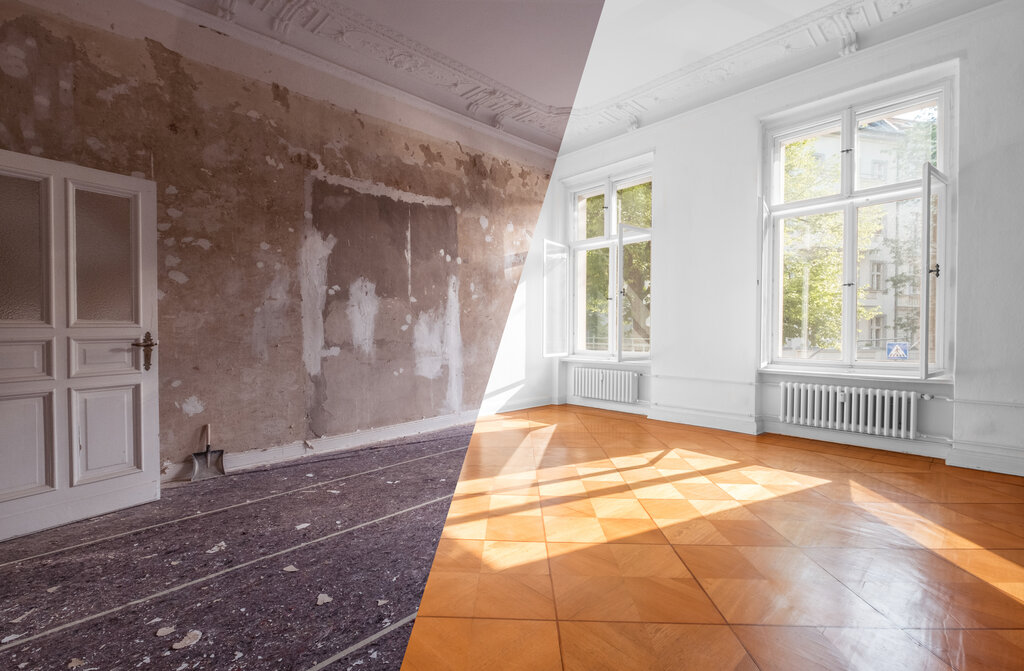
Home maintenance and renovations have the power to turn aging properties into timeless treasures. Whether you’re updating a century-old farmhouse or a mid-century bungalow, the process requires patience, respect, and vision. By preserving what makes the space special and improving what needs attention, you can create a home that’s not only beautiful but built to last.
In the end, transforming old spaces isn’t just about change—it’s about continuity. It’s about recognizing the craftsmanship of the past, understanding the demands of the present, and preparing your home for the decades ahead.