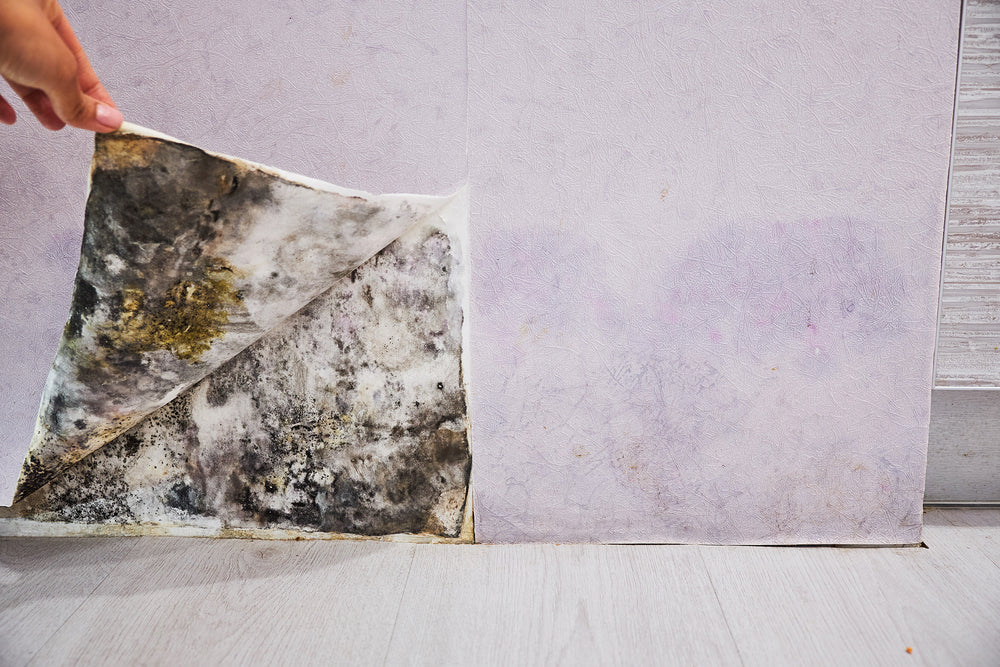
Mold and mildew are more than just unsightly issues that affect your home’s appearance. Left unchecked, they can become significant threats to your health and property value. For many homeowners, preventing mold and mildew starts with the right home maintenance practices and smart renovation decisions. With consistent care and strategic updates, you can make your home much more resistant to moisture buildup and fungal growth.
This guide explores essential home maintenance tasks and renovation projects that can help you keep mold and mildew at bay while improving your home’s overall safety and longevity.
Understanding the Mold and Mildew Problem
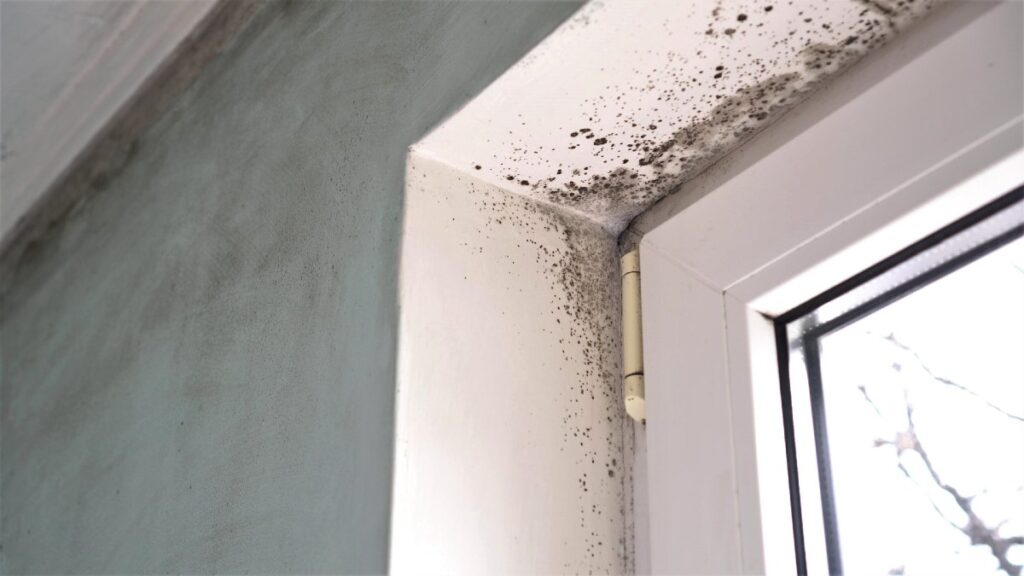
Mold and mildew are fungi that thrive in damp, humid environments. While mildew typically appears as a powdery or fluffy white or gray coating on surfaces, mold can be black, green, or brown and is often more deeply rooted in materials. Both can spread quickly under the right conditions—typically when there’s moisture, warmth, and poor ventilation.
They’re commonly found in bathrooms, basements, attics, and kitchens, but no area of the home is entirely immune. Mold is not just damaging to drywall, wood, and flooring; it also poses respiratory risks, especially for people with allergies or asthma. Preventing mold and mildew requires a combination of moisture control, airflow improvements, and vigilant upkeep.
Start with Proper Ventilation
One of the most effective ways to combat mold and mildew is to ensure your home is properly ventilated. Renovations aimed at increasing airflow can dramatically reduce humidity levels in problem areas. Installing or upgrading exhaust fans in moisture-prone areas like bathrooms, kitchens, and laundry rooms is a great first step. These fans should vent directly outside, not into attics or crawl spaces where moisture can accumulate.
Attic ventilation is also essential. A well-ventilated attic allows warm, moist air to escape rather than condense on wooden rafters and insulation. Ridge vents, soffit vents, or gable vents may be necessary upgrades depending on your home’s design. When renovating or replacing your roof, consider adding a modern ventilation system to support airflow and temperature balance.
Renovate with Mold-Resistant Materials
When undertaking renovations, choosing materials that naturally resist mold growth can make a lasting impact. Mold-resistant drywall is a smart choice for basements, bathrooms, and laundry rooms. Unlike standard drywall, it has a fiberglass mat instead of a paper facing, which makes it much harder for mold to take hold.
In bathrooms or other damp areas, tile with waterproof backing is a more resilient option than porous materials like wood or laminate. For insulation, closed-cell spray foam can help prevent condensation while also sealing small air leaks that allow moist air into wall cavities. If you’re renovating flooring in damp areas, opt for ceramic tile, sealed concrete, or luxury vinyl planks with moisture barriers instead of carpet or hardwood, which can absorb water and foster fungal growth.
Maintain Your HVAC and Dehumidifiers
Homeowners often forget that their heating, ventilation, and air conditioning (HVAC) systems play a huge role in mold prevention. Your HVAC system helps regulate humidity and maintain airflow throughout your home. However, if it’s not maintained properly, it can actually become a breeding ground for mold—especially within ducts or near leaky condensate drains.
Routine maintenance such as replacing filters every one to three months, cleaning ducts, and inspecting drainage lines helps ensure your system is working effectively. If your home is in a particularly humid climate, or if your basement tends to feel damp, consider installing a whole-house dehumidifier or using portable dehumidifiers in targeted areas. Keep indoor humidity levels between 30% and 50% to prevent mold-friendly conditions.
Roof and Gutter Repairs Prevent Moisture Intrusion
Water from roof leaks is a primary contributor to mold problems, particularly in attics and upper walls. When shingles are damaged or flashing around chimneys and vents fails, water can seep inside during storms and go unnoticed for months. Regular roof inspections and repairs are crucial for preventing such issues.
Your gutters also play a key role in keeping moisture away from your home’s structure. Clogged or misaligned gutters allow water to overflow and pool near the foundation. Over time, this can lead to basement leaks or crawl space humidity. Clean your gutters at least twice a year and make sure downspouts extend far enough away from the home to direct water safely away from the foundation.
Upgrade Your Basement and Crawl Space Protection
Basements and crawl spaces are common trouble spots for mold and mildew due to their tendency to trap moisture. Renovating these spaces with mold-preventing measures can save you serious issues down the line.
For basements, start by waterproofing walls with sealants or vapor barriers, especially if you notice condensation or minor seepage. Installing a sump pump system with a battery backup provides added protection against flooding during storms or power outages.
In crawl spaces, encapsulation is one of the best methods for preventing mold. This process involves sealing the crawl space floor and walls with a thick vapor barrier and adding dehumidification. Sealing off vents and insulating walls can also help reduce temperature swings and prevent condensation.
Fix Plumbing Issues Promptly
Even minor plumbing leaks can cause major mold problems if they go unnoticed. Leaky pipes under sinks, behind walls, or beneath appliances can create moist environments perfect for mold colonies. One of the best ways to avoid such issues is to routinely inspect your plumbing system, especially if your home is older.
During renovations, replace old pipes that are prone to leaks with more reliable materials like PEX or copper. Consider installing leak detection devices near washing machines, dishwashers, and water heaters. These devices can alert you early when moisture is detected, giving you time to act before mold can grow.
Painting and Sealing Techniques that Block Mold
Proper painting and sealing can do more than improve the appearance of your home—they can also help in the battle against mold. Use mold-inhibiting primers and paints, especially in high-moisture areas like bathrooms and kitchens. These paints contain antimicrobial properties that prevent spores from taking hold on the surface.
Before painting, always ensure the surface is dry and free of existing mold. Sealing tile grout, brick, or stone with waterproof sealants also reduces their porosity, making it harder for mold to grow in these often-overlooked areas.
Landscaping and Exterior Drainage Improvements
Sometimes, the battle against mold starts outside your home. Poor drainage around your property can lead to water pooling near the foundation, which then seeps into basements or crawl spaces. Regrading your yard to slope away from the home helps water flow outward, not inward.
Installing French drains, dry wells, or rain gardens can further direct water away from your property. Additionally, make sure that all outdoor faucets, irrigation systems, and sprinkler heads are functioning properly and not creating moist zones near your home’s perimeter.
Regular Cleaning and Mold Inspections
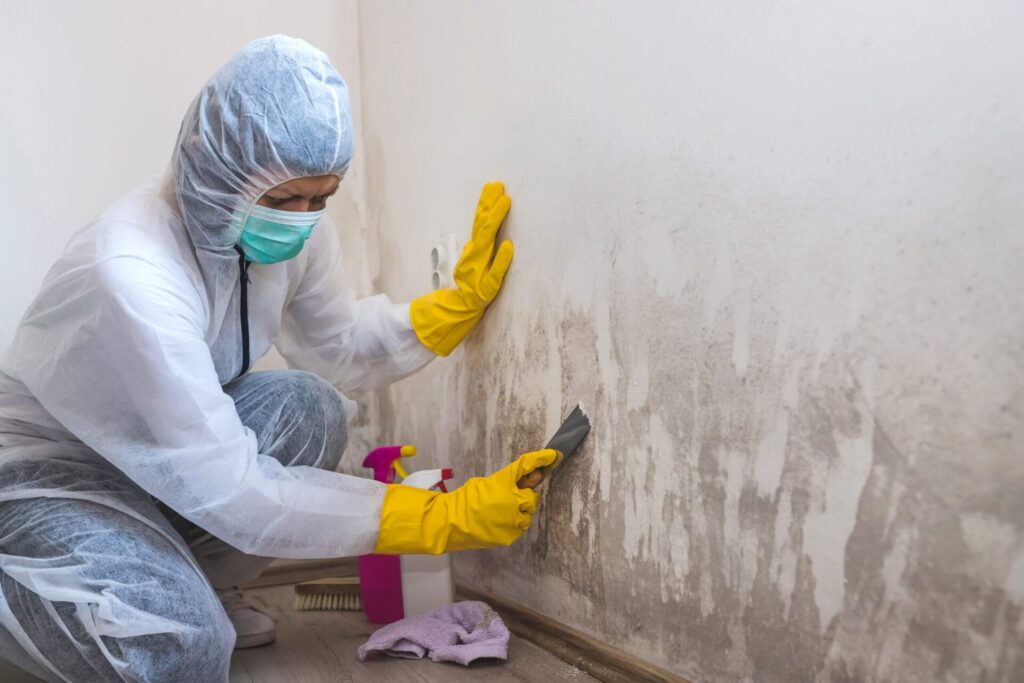
Even with all the right renovations, mold prevention is an ongoing task. Regular cleaning is essential, especially in bathrooms and kitchens. Use mold-killing cleaning solutions on shower walls, tile grout, and around sinks to prevent buildup.
Make it a habit to check lesser-used spaces—such as behind furniture, in closets, or under sinks—for signs of moisture or mold. If you notice musty odors, staining, or persistent dampness, it might be time for a professional mold inspection. Catching mold early can save you the cost and hassle of major remediation work later.
Preventing mold and mildew in your home isn’t just about reacting to problems after they arise. The best protection comes from a proactive approach—regular maintenance, smart renovations, and an understanding of how moisture behaves in your space. From updating ventilation systems and fixing roof leaks to selecting mold-resistant materials and managing indoor humidity, each step you take adds to a safer, healthier home.
Mold and mildew are persistent, but with consistent attention and thoughtful upgrades, your home can remain clean, dry, and protected for years to come. By investing in prevention today, you save yourself from expensive repairs and health risks tomorrow.