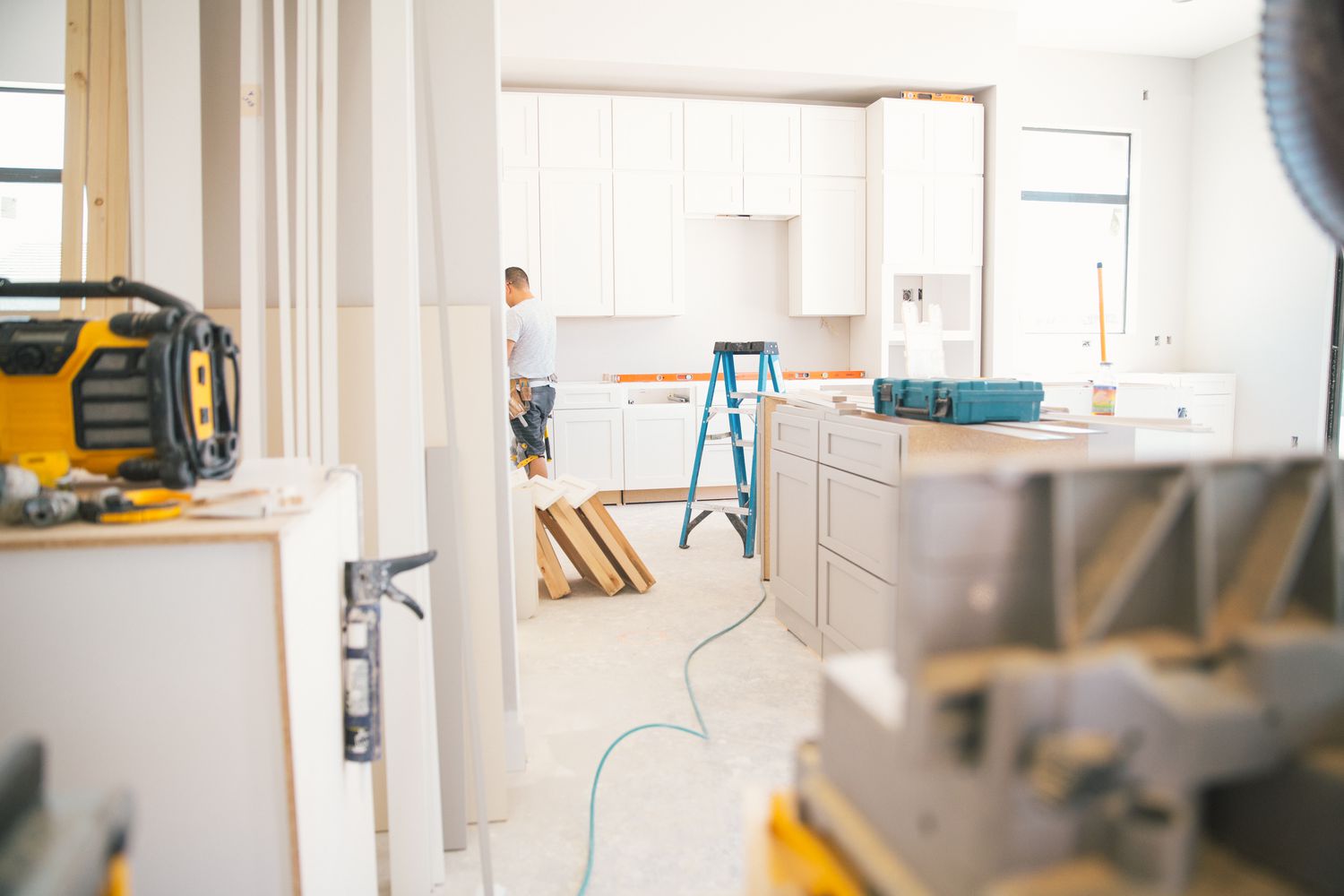
Hiring the right contractor for home maintenance and renovations can be the difference between a seamless upgrade and a stressful disaster. Whether you’re making small repairs, embarking on a full-scale renovation, or preparing your home for sale, the professionals you choose will directly affect the timeline, cost, quality, and overall experience of your project. With so many options available, it’s essential to make informed choices to protect your investment and your peace of mind. Here’s a comprehensive guide on how to choose the right contractors for home maintenance and renovations.
Understand the Scope of Your Project
Before reaching out to contractors, clearly define what you need done. Are you planning to update a kitchen, remodel a bathroom, replace the roof, or fix a few plumbing issues? Knowing the exact scope of the project helps you find contractors with the right specialization. Some contractors excel at cosmetic upgrades like flooring and painting, while others focus on structural work or systems like HVAC, electrical, and plumbing. By outlining your goals, budget, and timeline, you’ll be better prepared to explain your vision and assess who is capable of bringing it to life.
Research Local Contractors Thoroughly
Start your search by looking into contractors in your area who specialize in the type of work you need. Online platforms such as Google, Yelp, and Houzz provide listings and reviews that help you identify reputable professionals. Ask neighbors, friends, or coworkers for recommendations as well. Word-of-mouth referrals often reveal insights you won’t find online. Look for companies with an established presence, consistent reviews, and a portfolio of past work that matches your project style.

Once you’ve compiled a list of potential contractors, visit their websites and social media pages. A professional digital presence with updated contact information, photos of completed projects, and client testimonials can be a strong indicator of credibility and transparency.
Check Credentials and Licenses
Every qualified contractor should have the appropriate licenses and certifications required in your state or municipality. Licensing ensures that the contractor has met minimum professional standards and is authorized to carry out the work safely and legally. For example, general contractors typically need state licenses, while specialty contractors such as electricians or plumbers may have additional certification requirements.
Also, verify whether the contractor carries insurance — both liability insurance and workers’ compensation. Liability insurance protects your property in case of accidental damage, while workers’ compensation covers injuries that occur on-site. Without proper insurance, you could be financially responsible for accidents or mistakes.
Interview Multiple Contractors
Never settle for the first contractor you meet, even if they come highly recommended. Schedule interviews with at least three candidates to compare their experience, communication style, and proposed approach to your project. A good contractor should be willing to answer questions clearly, listen to your concerns, and offer insights that show they understand your goals.
Ask about how long they’ve been in business, whether they’ve handled similar projects before, what challenges they anticipate, and how they plan to handle them. Inquire about their team — will they be using subcontractors, and if so, are those workers licensed and insured as well?
Request Detailed Written Estimates
After the interviews, ask each contractor to provide a detailed written estimate. A proper estimate should include a clear breakdown of labor costs, materials, subcontractor fees, permits, and projected timeline. Avoid vague or open-ended quotes, which can lead to unexpected charges later.
When comparing estimates, don’t just go for the lowest price. Cheaper bids may reflect poor-quality materials, inexperience, or shortcuts in craftsmanship. A more expensive estimate might cover better-quality work and thorough project management. Balance cost with quality, and always consider the value offered.
Review Contracts Carefully
Once you’ve selected a contractor, the next step is to sign a written contract. This is one of the most important protections you have as a homeowner. A solid contract should outline the full scope of work, materials used, payment schedule, completion date, cleanup expectations, and warranties. It should also specify how changes to the scope of work will be handled and documented.
Take your time to read the contract thoroughly. If anything is unclear or seems one-sided, don’t hesitate to ask for clarification or request changes. Never rely on verbal agreements — everything must be in writing to avoid misunderstandings or disputes.
Understand Payment Schedules
Reputable contractors typically use a payment schedule that aligns with project milestones. A common arrangement is a down payment at the start (often 10-20%), followed by incremental payments based on progress. Avoid contractors who demand full payment upfront, as this can be a red flag.
If your project is large and requires financing, discuss options with your contractor. Some offer payment plans, while others may help you work with a bank or third-party lender. Make sure all payment terms are clearly spelled out in the contract.
Observe Communication and Responsiveness
Throughout the process of hiring a contractor, pay close attention to how they communicate. Are they punctual when replying to emails or calls? Do they answer your questions directly? Are they professional in their tone and demeanor?
Consistent and clear communication is crucial during a renovation. If a contractor is hard to reach or vague in their answers before the job begins, you’re likely to face similar frustrations once the work is underway. Choose someone who values transparency and respects your time.
Visit Ongoing or Past Projects
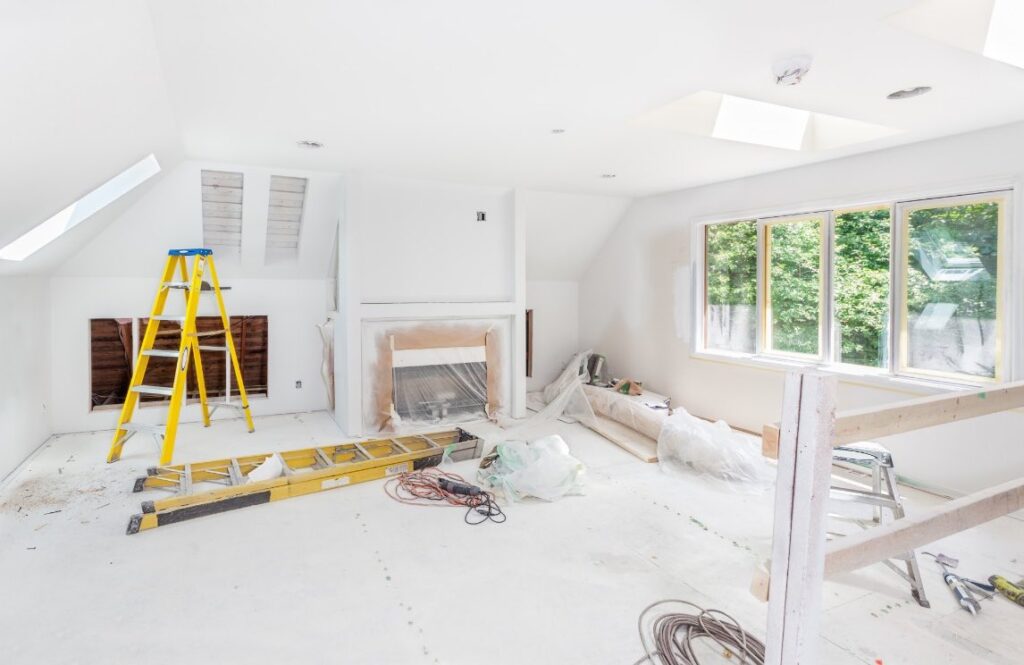
If possible, ask the contractor to show you ongoing or recently completed jobs. Seeing their work firsthand can help you assess their attention to detail and craftsmanship. If they can’t provide an in-person visit, request high-quality photos or videos of projects similar to yours.
While visiting, look for cleanliness, safety practices, and organization. A well-managed job site is usually a reflection of a contractor’s professionalism and efficiency. If former clients are available to speak, ask about their experience and whether they would hire the contractor again.
Watch for Red Flags
Some warning signs can indicate a contractor may not be trustworthy or competent. Be cautious if the contractor:
- Pressures you to sign quickly without giving you time to review the estimate or contract.
- Has a suspiciously low bid compared to others.
- Refuses to provide written documentation, such as licenses, insurance, or references.
- Asks for large upfront payments or full cash payment before beginning the job.
- Changes details of the estimate or contract without your approval.
If your instincts tell you something feels off, listen to them. It’s better to delay your project than to work with someone who could cost you time, money, and stress.
Maintain Involvement During the Project
Even after choosing a reputable contractor, your involvement is key to ensuring the project runs smoothly. Stay in regular contact, visit the site frequently, and review progress against the agreed timeline. Address any concerns early before they become major issues. Keep a record of all communication, changes, and payments.
If disputes arise, refer to the contract. If necessary, seek help from a neutral third party such as a construction mediator or state consumer protection agency.
Once the project is complete, conduct a thorough walkthrough with the contractor. Use the contract as a checklist to ensure all work has been completed to your satisfaction. If something is missing or improperly done, request it be corrected before making final payment.
Make sure you receive copies of warranties, manuals, permits, and lien waivers — documents that protect you in the event of future problems or legal claims.