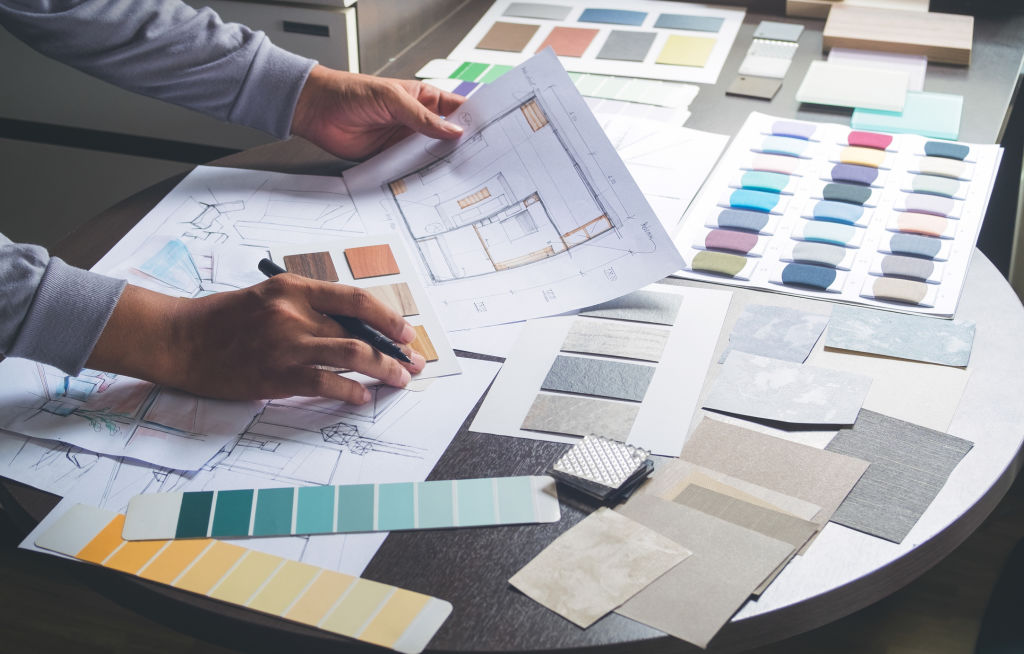
Documenting your home maintenance and renovations may not sound as exciting as swinging a hammer or choosing paint colors, but it’s a critical part of responsible homeownership. Whether you’re planning a minor kitchen update or a major exterior overhaul, keeping a clear and detailed record of your work can pay off in more ways than one. Proper documentation can help you track your progress, ensure warranty and insurance coverage, support resale value, and provide proof of compliance with building codes.
If you’re not sure where to begin, this guide will walk you through how to effectively document your home maintenance and renovations projects so that you’re covered both practically and financially.
Why Documentation Matters
Before diving into the how, it’s important to understand why documentation matters in the first place. One of the most overlooked benefits is financial — when it comes time to sell your home, detailed records of repairs and upgrades show prospective buyers that the house has been well cared for. Receipts, before-and-after photos, and permit records can all build trust and even increase your home’s market value.
Beyond selling, documentation is useful for insurance claims after damage or disaster. If your property is damaged due to a storm, fire, or other event, having photos and records of your improvements or maintenance history can make a world of difference when negotiating with your insurance company. Additionally, warranties on new appliances or renovation work often require proof of installation and purchase. Without it, your coverage may be void.
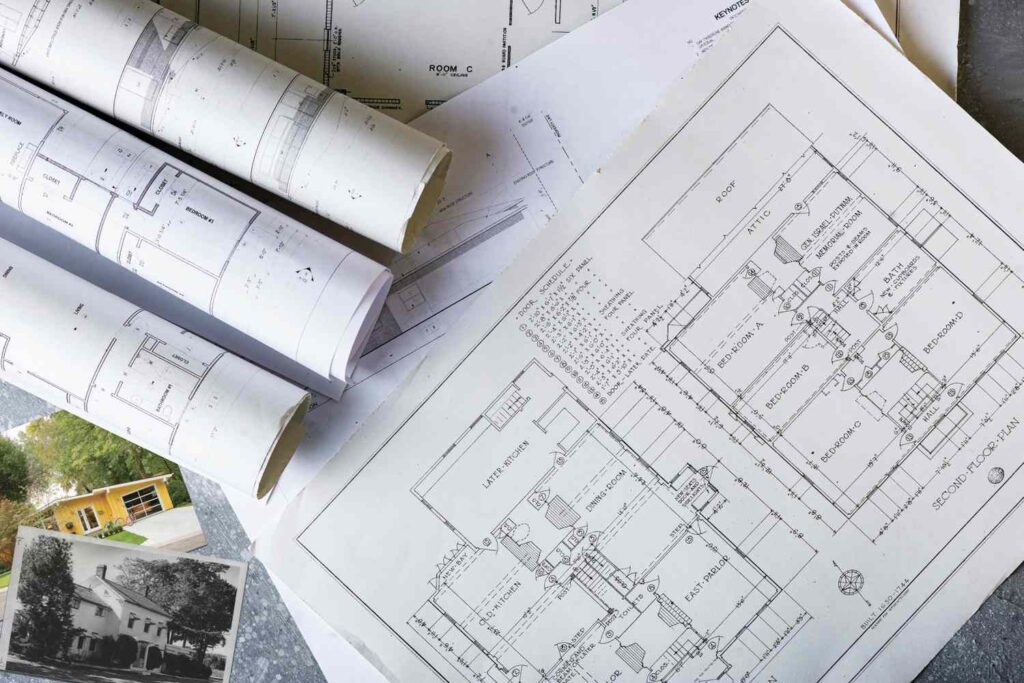
Start with a Dedicated System
One of the biggest mistakes homeowners make is scattering receipts, photos, and notes across multiple platforms — some in email, others in a junk drawer, and a few stashed in random folders. Instead, establish a centralized, dedicated system for your documentation. This could be a digital folder in the cloud (using services like Google Drive, Dropbox, or OneDrive) or a physical binder if you prefer paper.
Whichever system you choose, be consistent. Keep everything organized by date and by project. Include subfolders or dividers for each room or system in the house (such as plumbing, roofing, HVAC, etc.) to make it easy to locate information quickly.
Photograph Everything
A picture is worth more than a thousand words when it comes to home documentation. Take clear, high-resolution photos before, during, and after every project. Snap shots of problem areas prior to maintenance, progress shots as work unfolds, and final results once the job is complete.
Don’t forget to document the unseen work — plumbing behind walls, wiring in ceilings, and insulation inside cavities. These photos are often invaluable years later when you’re trying to locate a water shutoff valve or trace an electrical line.
Label your images with dates and brief descriptions, and store them in digital folders according to project. When stored chronologically, your photos can tell the full story of your home’s evolution, making it easier to remember what was done and when.
Save All Receipts and Invoices
No matter how small the expense, save every receipt and invoice related to your maintenance and renovations. That means everything from major contractor payments to the hardware store receipts for light bulbs or paint. These records are helpful for budgeting and taxes, and may be necessary if you want to claim energy-efficiency rebates or home improvement tax credits.
If you’ve hired professionals to do the work, request detailed invoices that describe exactly what was done and what materials were used. If the company offers a warranty, ensure that this information is also included in writing and stored with the receipt.
For long-term accessibility, scan paper receipts and save them digitally — paper fades over time and may be unreadable when you need it most.
Record Dates and Details
It’s not enough to just save documents and photos. You should also maintain a simple log or journal with dates and descriptions of what’s been done. This can be done in a spreadsheet, a note-taking app, or a physical notebook.
For each entry, include the following:
- Date the work was performed
- Who performed the work (you or a contractor)
- A short description of the task or renovation
- Materials used and their cost
- Any related problems or follow-up needed
This chronological log will help you see how frequently certain issues occur, which contractors you’ve worked with, and what investments you’ve made in your home over time.
Include Permits and Approvals
For any work that required a permit — like electrical upgrades, roofing, or major plumbing — be sure to keep copies of the permits, inspection reports, and final approvals from local building authorities. This documentation is essential if you’re ever asked to prove that the work was done legally and up to code.
If you ever sell your home, the buyer or their home inspector may request this information. Incomplete or missing documentation can complicate or delay a sale. Keeping it accessible and complete puts you ahead of the game.
Don’t Forget Maintenance Records
Many homeowners focus heavily on renovations but neglect to document regular maintenance. However, this is just as important — especially when it comes to high-value systems like HVAC, roofing, and plumbing. Maintenance logs show that you’ve taken care of your property, which adds peace of mind for future buyers and can serve as useful history for repair professionals.
For example, keep records of:
- HVAC servicing dates
- Roof inspections
- Chimney cleanings
- Septic tank pumping
- Pest control visits
- Gutter cleaning
These regular checkups prevent major issues and preserve the lifespan of your systems, and your documentation helps ensure nothing falls through the cracks.
Store Manuals and Warranties
Whenever you install new appliances, fixtures, or systems, save the instruction manuals and warranty cards.These are often tossed or misplaced, but they come in handy when troubleshooting or scheduling repairs.
Create a specific folder (physical or digital) just for manuals and warranties. You can even download digital copies of manuals directly from manufacturers’ websites to save space and ensure longevity.

Use Apps and Technology to Stay Organized
There are several apps and platforms designed specifically for home maintenance tracking. These tools can help you create reminders for future tasks, store documentation, and categorize your renovation history. Some popular options include:
Centriq – Allows you to scan and store appliance manuals, track repairs, and schedule reminders.
HomeZada – Offers a full suite of home organization tools including budget tracking, project planning, and documentation.
Sortly – A visual inventory app that can be repurposed for tracking home improvements and maintenance.
While you don’t have to use a specific app, leveraging technology can simplify the process and add convenience — especially if you’re managing multiple projects over several years.
Prepare for Future Access
It’s one thing to document everything — it’s another to make sure it’s accessible when needed. Whether you use cloud storage, a flash drive, or a physical binder, make sure someone else in your household knows where and how to access it. If something happens to you, a partner or family member should be able to continue your maintenance plan or reference the documentation for resale or insurance needs.
Also, consider backing up digital files in two separate locations, such as an external hard drive and a cloud service. Data loss can happen unexpectedly, and redundancy ensures nothing is lost.
A Habit Worth Developing
Documenting your home maintenance and renovation projects doesn’t need to be complicated or time-consuming. Once you establish a system and make it part of your routine, it becomes second nature. The rewards are worth the small investment of time — peace of mind, smoother insurance claims, greater resale value, and an easy reference for future maintenance planning.
In the long run, a well-documented home is a well-managed home. Whether you’re living in your forever house or planning to sell in a few years, tracking your renovations and maintenance is one of the smartest moves you can make as a homeowner.