When it comes to maintaining and renovating your home, prioritizing the right rooms can make all the difference. Not only does this help maintain structural integrity and comfort, but it also adds long-term value to your property. Whether you’re thinking about selling your home, planning a long-overdue remodel, or simply trying to keep things running smoothly, certain rooms demand more attention than others. This blog explores the top rooms to focus on in home maintenance and renovations to ensure you’re making the most effective improvements for both livability and return on investment.
The Kitchen: The Heart of the Home
Few rooms impact daily living and resale value as much as the kitchen. It’s not just a space for cooking; it’s often the central gathering point for families and guests. Because of its heavy use, the kitchen is prone to wear and tear more quickly than other rooms in the house.
Regular maintenance should include checking for leaks under the sink, cleaning out the range hood filters, inspecting appliances for efficiency, and maintaining countertops and cabinet surfaces. These tasks prevent long-term damage and preserve functionality.
When renovating, kitchen upgrades like replacing outdated appliances with energy-efficient models, installing new countertops, updating cabinetry, and improving lighting can drastically transform the space. Even small changes—like swapping out old hardware or repainting cabinets—can make the room feel entirely new. An updated kitchen can significantly increase home value and attract potential buyers if you ever decide to sell.
The Bathroom: Functionality Meets Comfort
Bathrooms are one of the most frequently used spaces in a home and one of the top rooms where moisture problems occur. That means they require regular maintenance to prevent mold, mildew, and water damage.
Basic upkeep includes sealing grout, checking for plumbing leaks, ensuring adequate ventilation, and replacing worn caulk around tubs and sinks. Neglecting these details can lead to costly repairs in the future.
Renovating a bathroom, even a small one, can have a huge payoff. Popular upgrades include walk-in showers, modern vanities, energy-saving toilets, and improved lighting. Heated floors and stylish tiles can also add a touch of luxury. Like kitchens, updated bathrooms are a key selling point and provide both practical and aesthetic benefits.
Living Room: Preserving the Comfort Zone
The living room serves as a space for relaxation, entertainment, and socializing. While it may not face the same wear as a kitchen or bathroom, it still benefits greatly from regular attention.
Maintenance here often revolves around aesthetics and comfort—repainting walls, maintaining or replacing flooring, inspecting electrical outlets, and ensuring windows are properly sealed. Furniture and lighting can also impact the functionality and ambiance of the space.
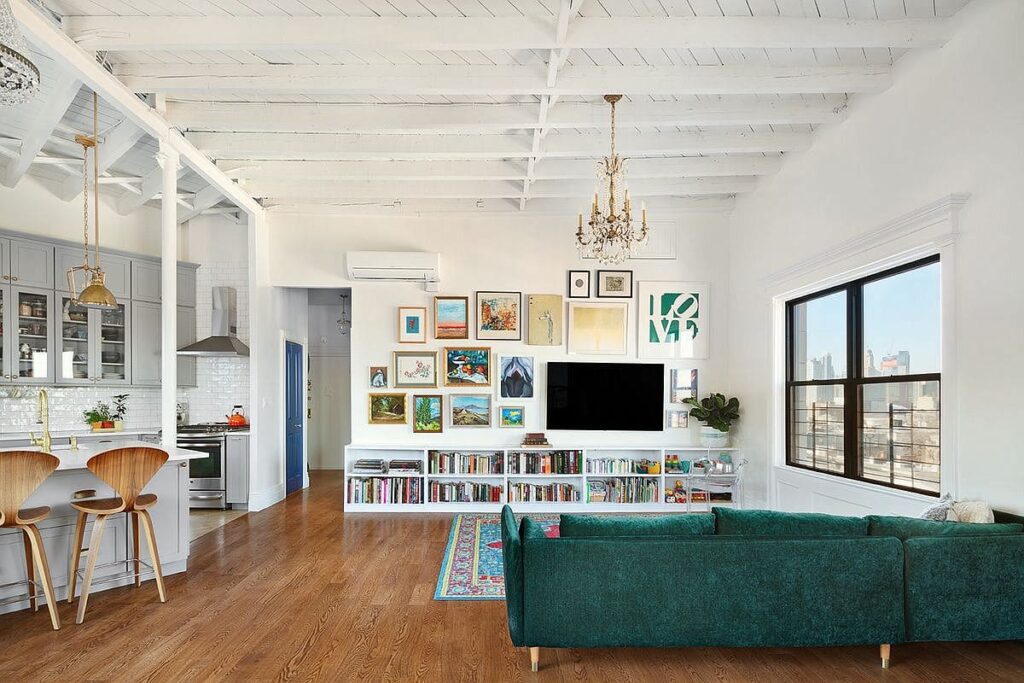
When renovating, think about the flow and feel of the room. Open layouts, built-in shelving, updated lighting fixtures, and modern entertainment centers can elevate the entire home’s appeal. If your living room connects to other open spaces like a kitchen or dining area, consider how those areas flow together visually and functionally.
The Master Bedroom: Your Personal Retreat
Your bedroom should be a restful sanctuary. While it might not face as much foot traffic as common areas, its importance in daily life makes it a top contender for renovations and maintenance.
Regular maintenance involves checking for drafts around windows and doors, maintaining flooring, and keeping closets organized and functional. Air quality is particularly important in bedrooms, so changing HVAC filters and ensuring proper ventilation should be routine.
Renovations may include updating flooring to hardwood or high-quality carpet, installing custom closet systems, repainting walls in calming tones, and upgrading lighting for better control and ambiance. These improvements don’t just enhance aesthetics—they can significantly improve your quality of life.
The Basement: Prevention is Key
Often overlooked, basements are crucial to your home’s structural integrity. Because they are prone to moisture problems, they need vigilant maintenance.
Routine checks should focus on spotting signs of water intrusion, inspecting sump pumps, sealing cracks in foundation walls, and managing humidity levels. Basements are often where HVAC systems and water heaters are located, so keeping these appliances in good working order is essential.
Renovating a basement can turn it from a dark, underused area into a highly functional living space—whether it’s a home theater, gym, office, or guest room. Waterproofing, good lighting, flooring suitable for below-grade conditions, and proper insulation are musts for a successful basement transformation.
The Attic: Often Ignored, Always Important
The attic plays a silent but vital role in your home’s energy efficiency and structural health. Because it’s out of sight, many homeowners neglect it—leading to problems like pest infestations, roof leaks, and poor insulation.
Regular maintenance tasks include checking for water stains on the underside of the roof, ensuring vents are clear, and inspecting insulation levels. Adequate attic insulation and ventilation can drastically reduce heating and cooling costs and prevent ice dams in colder climates.
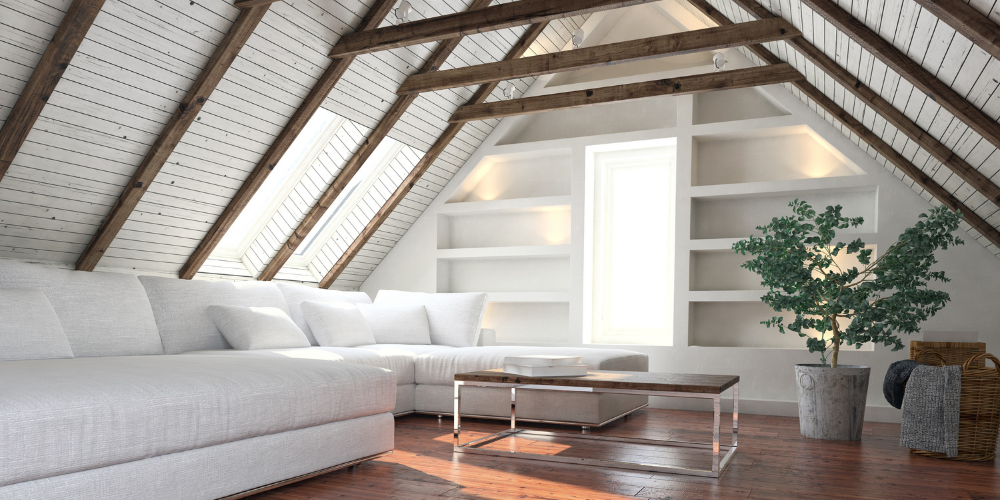
While full attic renovations aren’t always practical, converting the space into a functional room—like a home office or extra bedroom—can add livable square footage and increase property value. Even if you don’t renovate, reinforcing insulation and sealing gaps can make a big difference.
The Laundry Room: Small but Mighty
Laundry rooms are another utility space that often goes unnoticed until something goes wrong. Between the moisture, lint, and electrical components, there’s a lot that can go awry if not maintained properly.
Key maintenance includes cleaning dryer vents to prevent fire hazards, checking hoses for leaks or cracks, and ensuring proper ventilation. Upgrading to energy-efficient machines and improving storage options like shelving or cabinetry can turn a cramped room into an efficient workspace.
Though not as glamorous as a kitchen or bath remodel, renovating a laundry room can significantly improve your daily routine and reduce potential safety risks.
The Entryway: First Impressions Count
The entryway or foyer is the first thing guests see when they enter your home. While it might not be a room in the traditional sense, it sets the tone for the rest of the house.
Maintenance here includes ensuring the door functions well, seals properly, and looks presentable. Lighting should be adequate, flooring should be durable, and storage for shoes, coats, and keys should be accessible.
Renovations might involve replacing old flooring with something more resistant to dirt and moisture, adding decorative elements like mirrors or lighting, or upgrading the front door for better security and style. An inviting entryway improves curb appeal and makes a strong first impression.
Children’s Rooms: Safety and Adaptability
Children’s rooms evolve constantly, and maintenance needs to keep up. Safety is the number one concern—secure furniture to walls, cover outlets, and ensure windows are locked and secure.
Over time, children outgrow their surroundings, so renovations often include upgrading furniture, repainting with age-appropriate colors, and improving storage. If space allows, adding built-in desks or play areas can enhance functionality and keep clutter at bay. These changes support growth and development while keeping the home organized and safe.
Home Office: The New Essential Space
With remote work becoming more common, the home office has moved up the list of priority rooms. Even a small, well-designed space can boost productivity and well-being.
Maintenance here includes checking electrical systems, ensuring reliable internet connectivity, and keeping the space ergonomically friendly. Renovations may involve adding soundproofing, building custom storage, and improving lighting for screen time.
Creating a home office that supports concentration and comfort can improve work-life balance and make your home more adaptable to modern demands.
Invest Where It Matters Most
While every part of your home deserves attention, focusing on these key rooms ensures that your maintenance and renovation efforts have the greatest impact. Kitchens and bathrooms enhance daily functionality and home value. Living rooms and bedrooms elevate comfort and relaxation. Basements and attics preserve structural integrity and energy efficiency. Laundry rooms and home offices add convenience and support modern living. Entryways and children’s rooms reflect personality and meet evolving needs.
By prioritizing the right spaces and keeping up with routine maintenance, you can prevent future issues, increase property value, and create a home that’s both beautiful and practical. Thoughtful renovations are more than cosmetic upgrades—they’re an investment in your lifestyle and your home’s longevity.