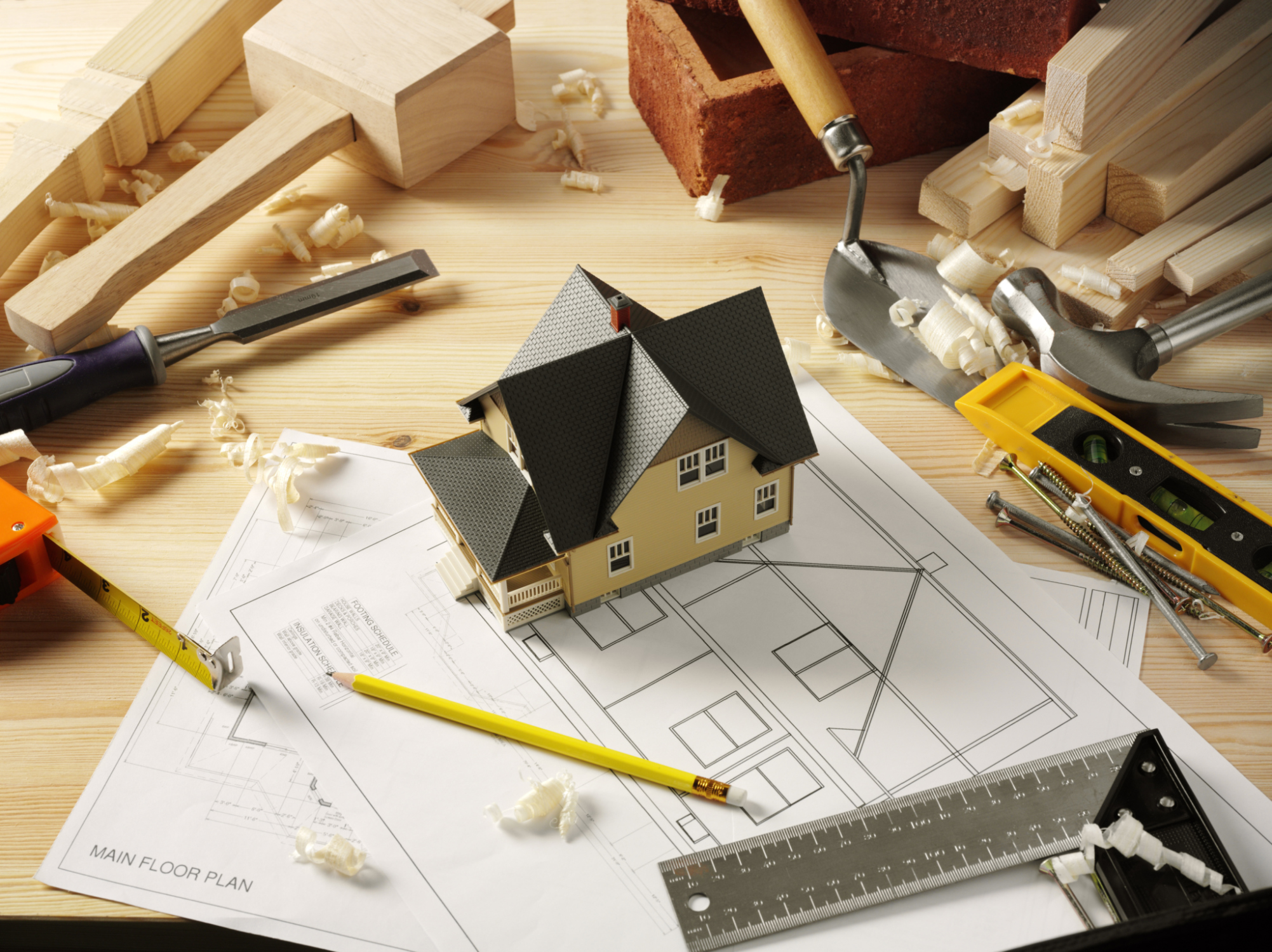
Home maintenance and renovations are essential for preserving the functionality, safety, and value of a home. However, the process often comes with its fair share of disruptions. From the sound of drills to limited access to key areas like kitchens or bathrooms, many homeowners dread the chaos that often accompanies even small updates. But what if there were ways to navigate home improvements with minimal interference to daily life?
The good news is that with the right planning, communication, and strategy, it’s possible to manage home maintenance and renovations smoothly and with as little disruption as possible. This guide walks you through how to achieve exactly that—helping you take control of your space and your sanity while improving your home.
Start with a Detailed Plan
The foundation of a disruption-free renovation lies in meticulous planning. Before swinging the first hammer or removing the first tile, it’s vital to understand what you want to achieve, how long it will take, and what areas of your home will be affected.
Develop a clear plan that includes the scope of the project, a timeline, your budget, and a list of materials or fixtures you’ll need. Decide whether the work will be done in stages or all at once. Staged renovations can help isolate disruption to one area at a time, allowing you to continue living in other parts of your home with minimal inconvenience.

Involving professionals at this stage can be beneficial. Architects, designers, and contractors can help break down the plan into phases and offer solutions for maintaining livable conditions during the process.
Schedule Wisely
Timing is everything when it comes to minimizing the impact of home improvements. Consider scheduling your renovation during periods when you can be away from home, such as a vacation or an extended weekend trip. If that’s not possible, aim to plan the work during seasons with milder weather. This makes it easier to spend time outdoors or open windows when necessary, especially during projects that produce dust or fumes.
Families with school-aged children may benefit from scheduling renovations during the school year when the home is less occupied during the day. Meanwhile, remote workers should account for noise and internet interruptions and may want to set up a temporary workspace elsewhere.
Focus on Essential Repairs First
One way to control the chaos is to prioritize maintenance that directly affects comfort and safety. For instance, repairing a leaky roof, upgrading old wiring, or fixing plumbing issues should take precedence over aesthetic changes. Addressing the essentials first ensures your home remains functional and reduces the risk of emergency disruptions down the line.
If your renovation includes both maintenance and upgrades, try to schedule the structural or behind-the-scenes work early in the project. Once the mechanical systems are addressed, the more decorative and fun parts—like installing new floors or painting—can follow with less stress.
Create a Temporary Living Arrangement
If you’re tackling a larger renovation, consider setting up temporary zones that serve the same function as the disrupted areas. For example, if your kitchen is undergoing an overhaul, a mini kitchen with a microwave, hot plate, and mini fridge in the garage or guest room can help keep meals simple and stress-free.
For bathroom renovations, having access to a second bathroom or working with contractors who renovate one bathroom at a time is crucial. If all bathrooms are affected, arrangements with neighbors or renting a portable shower setup may be necessary. Planning these temporary accommodations in advance ensures that your daily routines can continue relatively unhindered.
Protect Your Belongings and Limit Dust
Renovations can quickly become messy, with dust, debris, and building materials spreading beyond the work zone. To minimize cleanup and protect your belongings, seal off the renovation area with plastic sheeting and use zipper doors or temporary walls if possible.
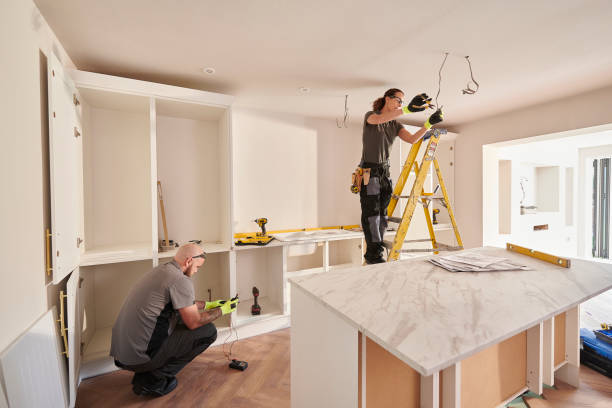
Remove or cover furniture, electronics, and décor in adjacent rooms. Lay down protective floor coverings in hallways and entryways to prevent tracking dust throughout the home. Ask your contractor about dust-control measures like negative air machines or HEPA filters if your project involves heavy demolition or sanding.
Keeping the renovation area isolated not only makes the project more bearable—it also helps ensure safety, especially for children, pets, or anyone with respiratory conditions.
Communicate Clearly with Contractors
One of the biggest sources of frustration during a home renovation is miscommunication. To minimize disruption, establish clear expectations with your contractor from day one. Discuss work hours, noise levels, and which parts of the home will be accessible.
A good contractor will respect your living space and make every effort to minimize inconvenience. This includes cleaning up at the end of each day, securing tools, and maintaining a tidy work area. Don’t be afraid to speak up if something doesn’t feel right—open, respectful communication is essential to a successful and stress-free renovation.
Weekly or even daily check-ins with your contractor can keep the project on track and prevent small issues from becoming larger problems. The more informed you are, the more in control you’ll feel throughout the process.
Use Prefabricated and Modular Materials
Another strategy for keeping disruptions to a minimum is using prefabricated or modular components. For example, pre-built cabinetry, modular closet systems, or engineered flooring options often require less installation time than custom-built or traditional materials.
This approach can significantly reduce the time spent on-site and lessen the impact on your daily life. Additionally, some prefabricated products are designed with clean installations in mind, which means less mess, fewer tools, and fewer chances for something to go wrong.
Opt for Quiet and Low-Impact Tools
Modern tools and techniques have evolved to offer quieter, more efficient alternatives to traditional methods. For example, some contractors now use battery-powered saws and drills that are quieter than their corded counterparts. Drywall cutting tools, dustless sanding systems, and silent demolition tools can all contribute to a lower-disruption renovation.
Ask your contractor whether these options are available or viable for your project. Though they might come with slightly higher upfront costs, the trade-off in peace of mind and convenience can be worth it.
Maintain a Flexible Mindset
Despite the best-laid plans, renovations rarely unfold exactly as expected. Materials might arrive late, unexpected issues could be uncovered behind walls, or weather delays might impact outdoor work. The key is to remain flexible and patient.
Keeping a positive attitude and adapting to changes gracefully helps maintain a calm household environment, even when the circumstances aren’t ideal. Remind yourself that the inconvenience is temporary, and the end result—a safer, more beautiful, and more functional home—is well worth it.
Keeping a journal of the renovation process, or taking photos of progress, can also help you stay focused on the improvements instead of the interruptions. Before long, you’ll have a transformed space and a newfound appreciation for your home’s potential.
Final Clean-Up and Transition
Once the renovation is complete, give yourself time to transition back into a normal rhythm. The final cleanup phase is crucial to this. Whether your contractor includes post-project cleaning or you choose to do it yourself, make sure all surfaces are wiped down, floors are cleaned, and air filters are replaced to eliminate dust.
Take time to inspect the work, test all new systems, and make a list of any finishing touches or repairs that may be required. Transition slowly into using the new spaces—reintroduce furniture, appliances, and decorations one room at a time to avoid feeling overwhelmed.
It’s also a good idea to keep documentation of any work done. Keep receipts, warranties, and any manuals for new appliances or fixtures. These records will be valuable for future maintenance or if you decide to sell your home.

Embracing Change Without the Chaos
Home maintenance and renovations don’t have to disrupt your entire life. By planning ahead, communicating effectively, and using thoughtful strategies, you can complete major upgrades with minimal stress. With the right approach, your home can evolve around your needs—quietly, efficiently, and beautifully.
At the end of the day, a well-maintained and thoughtfully renovated home enhances more than property value—it improves quality of life. When done right, the process doesn’t feel like a burden. It feels like progress.