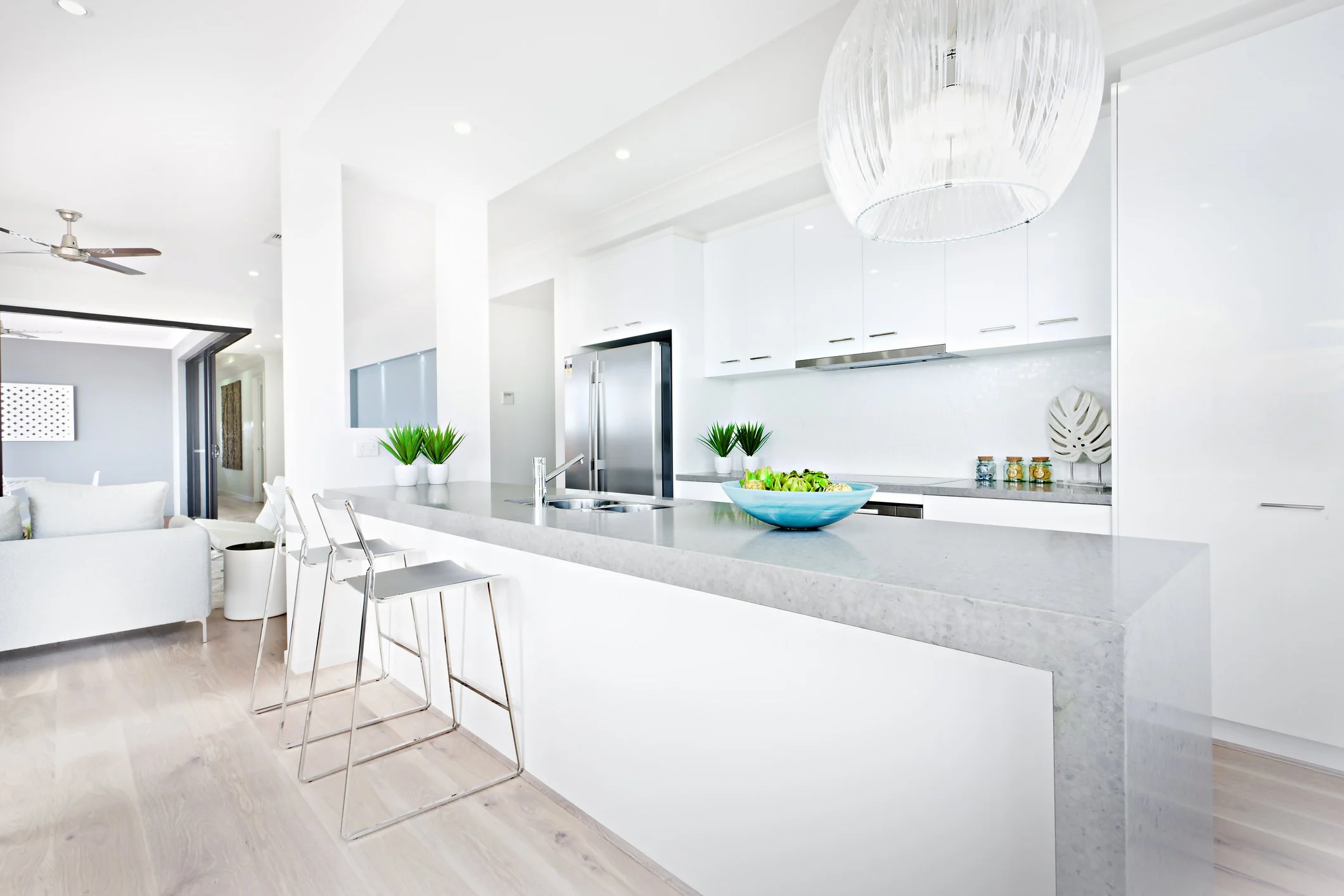
Living in a small space often demands more from a homeowner than simply keeping things clean. Whether it’s a city apartment, a compact townhouse, or a cozy cottage, maintaining and renovating a smaller home takes strategy, creativity, and smart planning. Unlike larger homes, small spaces require meticulous use of every inch—there’s no room for wasted potential. From regular maintenance that prevents damage to clever renovations that unlock hidden utility, managing a small space well can transform even the most modest home into a stylish, efficient sanctuary.
Understanding the Unique Challenges of Small Spaces
Smaller homes come with a distinct set of challenges. Storage is limited, every fixture or piece of furniture needs to justify its presence, and even a slight issue—like a leaky faucet or chipped paint—can feel amplified. Maintenance in tight quarters can also be more complicated, especially when appliances and systems are packed into limited areas with little clearance.
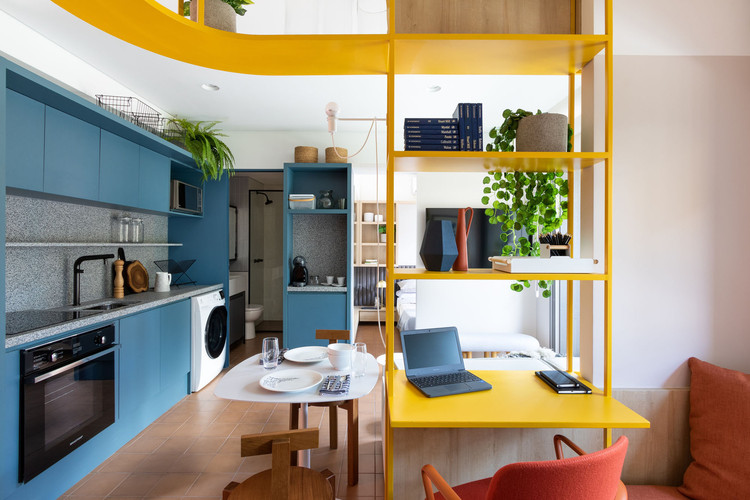
Moreover, renovations in small homes must walk a fine line between style and function. Every project must not only look good but serve a specific purpose. Aesthetics need to align with space-saving solutions, and upgrades must take into account the overall flow and usability of the home. These realities make maintenance and renovation decisions especially important for small-space homeowners.
Regular Maintenance Keeps Small Spaces Comfortable
Routine maintenance is the key to preserving comfort in compact environments. Small homes can quickly become cramped, dirty, or dysfunctional if upkeep is neglected. Dust buildup, poor airflow, moisture problems, and clutter tend to show up faster in smaller spaces, and their effects can spread quickly.
Keeping HVAC systems clean and functional is especially critical. With limited space, air doesn’t circulate as easily, so dirty filters or blocked vents can lead to uncomfortable conditions. Regularly inspecting and servicing heating and cooling systems keeps the air fresh and temperatures stable.
Likewise, plumbing maintenance plays a huge role. In a small home, a single dripping faucet or a slow-draining sink isn’t just an annoyance—it can quickly become a major source of mold, mildew, or water damage. Promptly addressing these issues and inspecting pipes in tight, less-visible areas (like under bathroom sinks or behind compact kitchen cabinetry) is essential.
Lighting also needs attention. Since small homes often rely on a mix of natural and artificial lighting to create a sense of space, any flickering or dim bulbs should be replaced immediately. Light fixtures may need dusting more often, too, especially in corners or near ventilation grilles.
Smart Renovations That Expand Utility
Renovating small spaces doesn’t necessarily mean tearing down walls or undertaking large-scale construction. Instead, the most impactful upgrades often come from small, strategic changes that increase storage, improve flow, or boost natural light.
One of the most transformative projects in small-space renovations is installing built-in storage. Custom shelving, under-stair drawers, or bench seating with storage underneath can add valuable space without disrupting the room’s layout. Vertical space is especially underutilized in many homes—adding shelves or cabinetry up to the ceiling helps reduce floor clutter and makes rooms feel taller.
Another smart renovation tactic is opening up sightlines. Removing unnecessary interior doors or partial walls can dramatically change the way a home feels. Even in a small area, creating visual openness can make the space seem much larger than it is.
In the kitchen, compact renovations like switching to multi-functional appliances or installing a fold-down dining table can drastically improve usability. Custom cabinetry that accommodates oddly sized corners or awkward wall shapes makes cooking and storage much more efficient. In bathrooms, replacing a traditional vanity with a wall-mounted sink can free up floor space, giving the illusion of a bigger room.
Flooring and Paint Make a Major Impact
When renovating a small home, the floor and walls become powerful tools for redefining the space. Light-colored flooring and paint choices can reflect more light, making rooms feel open and airy. Flooring with wider planks or large tiles also creates the illusion of more space by minimizing visual breaks.
Replacing outdated or dark carpeting with laminate, hardwood, or vinyl flooring in a lighter tone can instantly brighten and modernize a small room. Pairing this with neutral wall colors like off-white, soft gray, or pale blue helps the walls recede visually, expanding the perceived size of the room.
Accent walls or carefully placed color contrasts can also work wonders. In narrow hallways or small bedrooms, painting one wall a darker or bolder color while keeping the rest light can create depth and interest without closing the space in.
Maximizing Outdoor Living for Added Functionality
Even the smallest home can feel bigger when you effectively use any available outdoor space. Patios, balconies, and even tiny yards can be transformed into functional living areas with the right renovations.
Adding weather-resistant furniture, retractable awnings, or privacy screens can turn a small balcony into a comfortable retreat. Outdoor storage benches and vertical garden systems make even limited outdoor square footage practical and enjoyable. If your small home has access to a shared yard or courtyard, consider coordinating with neighbors to create a common space that extends everyone’s livable area.
Outdoor maintenance should also be part of your regular routine. Power washing a small deck, resealing outdoor woodwork, or maintaining potted plants are small efforts that enhance your home’s appeal and functionality.
Renovation Ideas That Improve Resale Value
Even in small homes, renovations can significantly increase resale value—provided they’re done with intention. Buyers today often look for functionality and smart design over sheer size. So renovations that demonstrate efficient use of space, modern fixtures, and quality materials tend to deliver strong returns.
Upgrading kitchen cabinetry with soft-close hinges or drawer organizers appeals to buyers looking for quality and efficiency. Bathroom renovations like installing low-flow fixtures or adding a walk-in shower also signal thoughtful design. Smart home features—like compact wireless lighting systems, built-in speakers, or energy-efficient thermostats—further boost value.
Importantly, renovations should be cohesive. Even in a small space, mismatched design styles or disjointed finishes can feel chaotic. A streamlined, intentional aesthetic—from hardware to lighting to flooring—makes the entire home feel more polished and valuable.
Budgeting Wisely for Small-Space Projects
One advantage of renovating a small space is that you can often invest in higher-quality materials or custom work without exceeding your budget. Because you’re working with fewer square feet, splurging on a premium countertop, high-end tile, or custom-built storage becomes more financially feasible.
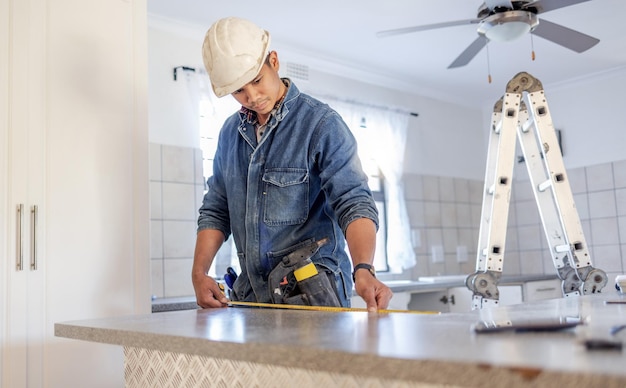
However, the importance of careful planning can’t be overstated. When space is limited, mistakes are more noticeable, and poorly executed changes can reduce function instead of enhancing it. Hiring professionals for specialized work, such as electrical or plumbing updates, ensures the results are safe, effective, and long-lasting.
Try to approach small-space renovations with a mindset of “less, but better.” Instead of making ten small changes, choose two or three high-impact improvements that align with how you live in your space.
Embracing Minimalism for Long-Term Maintenance
Finally, ongoing maintenance in a small home becomes easier when you embrace a minimalist philosophy. Regular decluttering, intentional purchases, and thoughtful design choices prevent overcrowding and keep your space livable.
Rather than packing every inch with decor or furniture, focus on items that serve multiple purposes. Choose pieces that fold, slide, or stack. Opt for built-ins whenever possible. Create designated spots for everything—from shoes to spices—so cleaning and organizing doesn’t become a constant battle.
A clean, well-maintained, and thoughtfully renovated small home often feels more welcoming and functional than a larger home that’s disorganized or outdated. By being intentional about maintenance and strategic in your renovations, you can turn a small space into a beautiful, efficient, and enjoyable home for years to come.
Small homes are not limitations—they’re opportunities to embrace simplicity, efficiency, and creativity. With regular maintenance and smart, tailored renovations, even the most compact living space can deliver outsized comfort and style. Whether you’re preserving what works or reimagining what’s possible, your small space has the potential to be a standout home that reflects your lifestyle and values.