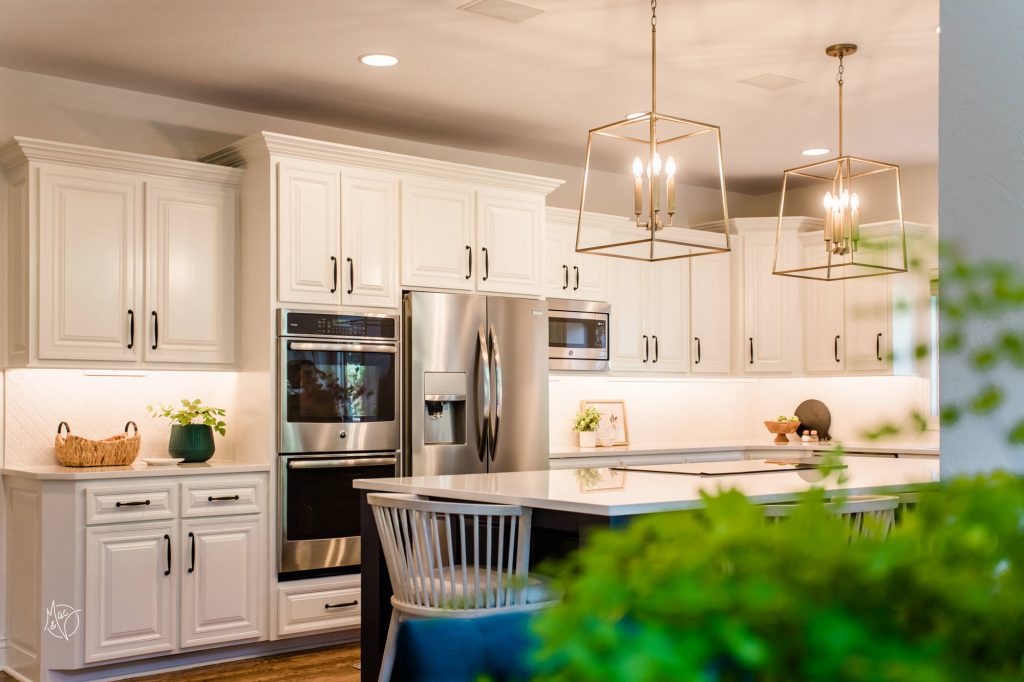
Lighting is more than just a finishing touch in home maintenance and renovation projects—it’s a transformative element that can influence everything from energy efficiency and safety to functionality and aesthetics. Whether you’re giving your kitchen a much-needed facelift or preparing your entire home for resale, understanding the role lighting plays is essential for making smart decisions during every phase of a renovation. Lighting doesn’t just reveal your home’s beauty; it can redefine how you experience and maintain the space over time.
The Functional Role of Lighting in Home Maintenance
Proper lighting is critical for functional spaces. Areas like kitchens, bathrooms, garages, and laundry rooms demand more than ambiance—they need clear, focused, practical lighting that enhances visibility and ensures safe use. For example, task lighting under cabinets or over workstations helps prevent accidents while preparing meals or handling tools.
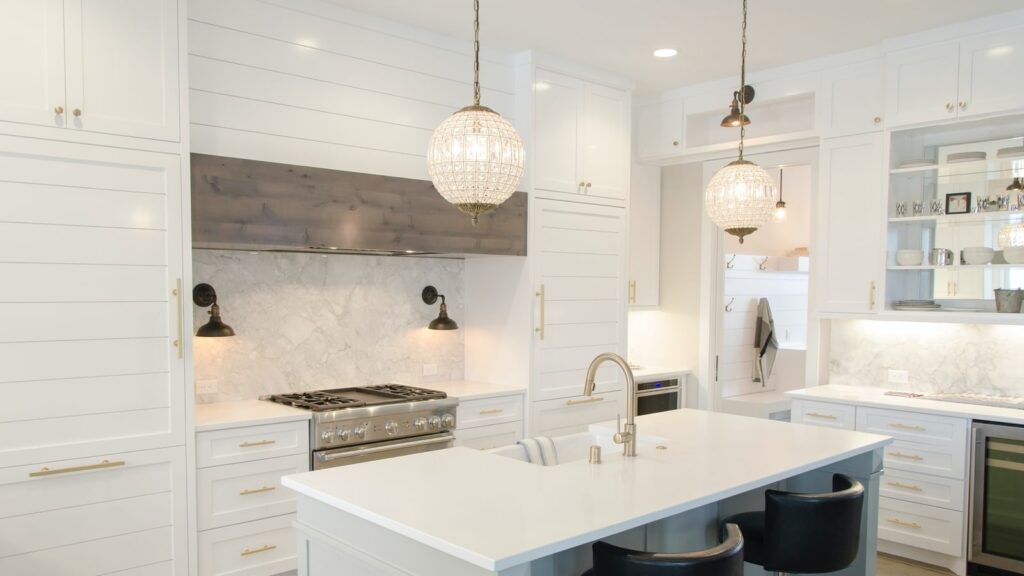
In poorly lit areas, even routine maintenance becomes more difficult. Dust, leaks, or structural issues often go unnoticed in dim lighting. By upgrading lighting fixtures, especially in places like basements and attics, homeowners can catch small issues early before they become larger problems. Clear, bright light aids in inspections and encourages consistent upkeep of spaces that might otherwise be ignored.
Energy Efficiency and Long-Term Savings
One of the most significant modern changes in home maintenance and renovations is the shift toward energy-efficient lighting. The transition from incandescent bulbs to LED lighting and smart systems has made homes more sustainable and cost-effective. LEDs consume up to 80% less energy and last significantly longer, which reduces both the frequency of replacement and overall maintenance.
When planning a renovation, incorporating energy-efficient lighting isn’t just about reducing electricity bills—it also means fewer maintenance needs over time. You won’t be replacing bulbs every few months, and many modern LED fixtures are designed with dust-resistant and moisture-resistant materials, reducing upkeep in tricky areas like bathrooms or outdoor spaces.
Additionally, many energy-efficient lighting systems can be integrated with smart technology. These systems allow you to program lights remotely or automate schedules based on daylight, occupancy, or time of day. Not only does this provide convenience and comfort, but it also prolongs the life of your lighting fixtures by avoiding unnecessary usage.
Enhancing Safety and Security Through Lighting
Safety is another critical aspect of home maintenance where lighting plays a pivotal role. Outdoor lighting, for example, helps reduce the risk of trips and falls. Pathway lights, porch lights, and motion-sensor floodlights are not just aesthetically pleasing—they improve nighttime visibility and can deter intruders.
Indoors, staircases, hallways, and entrances need adequate lighting to prevent accidents, especially for children and older adults. A well-lit staircase can make a huge difference in reducing falls. If you’re renovating with aging-in-place in mind, adding or improving lighting in key transition areas should be a priority.
Security lighting is another crucial maintenance element. Smart exterior lighting that automatically illuminates when motion is detected or when the sun sets can enhance your home’s security without requiring constant attention or manual adjustments.
Lighting Design and the Mood of a Space
During renovations, homeowners often focus on flooring, paint, or furniture, but lighting can be what ties it all together—or what makes everything fall flat. Natural light and artificial lighting design play a huge role in creating ambiance, mood, and a sense of space.
The placement, color temperature, and intensity of lighting can make a room feel larger, cozier, warmer, or more energetic. Bright, cool lighting is perfect for workspaces like kitchens and home offices, while warm, softer lighting is often used in bedrooms and living rooms to promote relaxation.
In design-focused renovations, the lighting plan should be developed early, not added on as an afterthought. By planning fixture placement and types of lighting in advance—such as recessed lighting, sconces, or pendant lights—you can ensure that the space not only looks good but feels good too.
Skylights, solar tubes, and other sources of natural light can also be incorporated into renovation plans to boost mood and reduce electricity costs. Homes that are naturally bright tend to appear cleaner and more inviting, requiring less effort in daily maintenance to maintain that “fresh” appearance.
Impact on Paint and Surface Finishes
Lighting can significantly affect how paint colors and surface finishes appear in your home. A wall that looks beige under warm lighting might appear gray or even pinkish under cool fluorescent lights. This variance can lead to frustration after painting or redoing a room, especially if the results don’t match your expectations.
During renovations, the lighting in a room should be considered before selecting wall colors, tiles, countertops, or even flooring. The best practice is to test finishes and paint swatches under the same lighting conditions that the space will have when finished. This helps avoid costly re-dos and ensures the final look aligns with your design vision.
Additionally, some lighting types can show wear and tear more easily. High-gloss finishes, for instance, will reveal every fingerprint and smudge under direct lighting. On the other hand, matte finishes tend to mask imperfections better. Choosing the right lighting for your chosen finishes can reduce the visible signs of everyday wear, minimizing the need for constant cleaning and touch-ups.
Integrating Lighting into Smart Home Renovations
Homeowners who are embracing smart home upgrades should view lighting as a major player in their renovation strategy. Smart lighting systems allow for programmable scenes, remote control, and integration with other home systems like security, HVAC, and even window shades.
Voice-activated lighting and motion-sensor controls reduce the need for physical switches, which can simplify maintenance—especially in homes designed for accessibility. These features also lower energy use and improve the lifespan of fixtures.
Renovating with smart lighting in mind ensures your home stays functional and adaptive for years to come. It also adds a layer of future-proofing, making your home more appealing to potential buyers who value convenience and technology integration.

Renovation Planning and Light Layering
In renovation design, professionals often use a method called “light layering,” which includes ambient, task, and accent lighting. Ambient lighting provides general illumination, task lighting focuses on work areas, and accent lighting highlights architectural features or artwork.
When done right, layering light not only improves the usability of a room but also makes it easier to maintain. For instance, a kitchen that includes task lighting over counters, ambient ceiling lighting, and toe-kick lighting at the base of cabinets is not only visually striking but also easier to clean and safer to use at night.
Failing to incorporate these layers can result in overly bright rooms that feel harsh or spaces with dark corners that collect dust and go unnoticed. Layering provides balance and coverage, ensuring every part of a room is functional and manageable long after the renovation is complete.
Outdoor Lighting and Landscape Maintenance
Lighting isn’t just important inside the home—outdoor lighting also plays a significant role in home maintenance. A well-lit yard or garden area allows for better monitoring of landscaping needs. Dead spots in the lawn, overgrown hedges, or pest infestations are easier to spot with proper lighting.
Additionally, exterior lighting can help protect against weather-related damage. Lights with weather sensors can activate during foggy or stormy conditions, illuminating pathways and alerting homeowners to outdoor issues such as pooling water or fallen branches.
If you’re investing in landscape renovations, lighting can accentuate your investment while also contributing to easier maintenance and longer-lasting curb appeal. It allows your landscaping work to shine—literally—and ensures it remains visible and appreciated even after dark.
Lighting as a Long-Term Investment
When looking at the big picture of home maintenance and renovations, lighting emerges not just as a feature but as a foundational element that supports the structure, design, safety, and longevity of a home. From improving functionality and boosting energy efficiency to enhancing aesthetics and promoting security, the right lighting choices can make every aspect of homeownership smoother.
Whether you’re planning a full renovation or simply upgrading key areas, prioritizing lighting will offer long-term benefits. It’s a smart investment that pays off in more than just savings—it improves the quality of life in your space every single day.