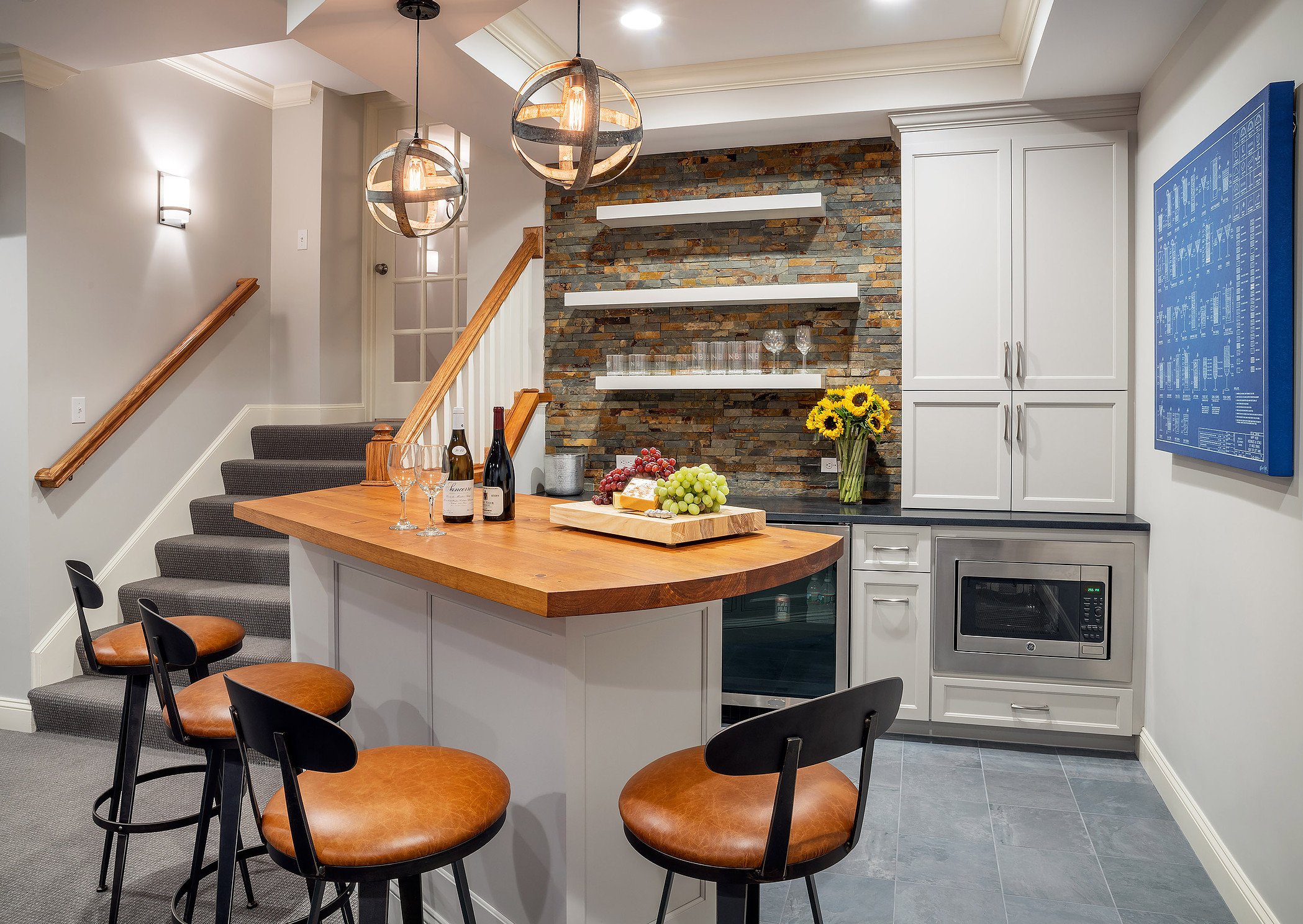
Home maintenance and renovations are more than just practical tasks aimed at keeping your property in good shape. They’re also opportunities to express personal style while enhancing functionality. Striking the right balance between beauty and utility is often where homeowners struggle. A beautifully designed space that doesn’t meet your daily needs can become a frustration. Likewise, a highly functional room with no aesthetic charm can feel cold and uninspired.
If you’re planning a home renovation or simply updating a few areas, the key lies in integrating design elements that not only look good but also serve a purpose. From structural improvements to visual finishes, every choice should reflect a thoughtful blend of style and functionality. Here’s how to approach your home maintenance and renovation projects with that dual mindset.
Understanding Your Space and Needs
Before swinging a hammer or selecting a paint color, the first step is assessing your home and lifestyle. What do you need your home to do for you? Are you a remote worker needing a productive home office? A growing family requiring more storage? Or an empty-nester looking to simplify and declutter?
By understanding your routines, pain points, and goals, you can identify how each area of your home can better serve you. This understanding becomes the foundation for designing spaces that don’t just look good in a photo but also improve your daily life.
For example, if your kitchen looks sleek but lacks countertop space or efficient storage, it won’t support the needs of a home chef. Renovating it with pull-out shelves, hidden drawers, and a stylish but durable countertop will combine both design and utility.
Choosing Materials That Marry Beauty and Durability
A critical aspect of merging form and function is material selection. The surfaces you choose for your floors, counters, walls, and cabinets need to withstand wear and tear while aligning with your interior design vision.
Quartz countertops, for instance, are popular not only because they look elegant, but also because they resist stains and scratches. Similarly, luxury vinyl plank (LVP) flooring has become a favorite because it mimics the look of wood while offering water resistance and easy maintenance. These are perfect examples of choices that serve aesthetic appeal while addressing long-term usability.
When selecting paints, opt for finishes that resist moisture and scuffs—especially in kitchens, bathrooms, and hallways. Matte paints may look sophisticated, but they may not hold up well in high-traffic zones. A satin or semi-gloss finish might be the smarter, more functional option, without compromising on visual appeal.
Smart Storage Solutions as Design Features
One of the smartest ways to combine style and function is through integrated storage. Built-ins, under-stair compartments, multifunctional furniture, and concealed cabinets are all excellent tools for maintaining a clean, organized look while maximizing space.
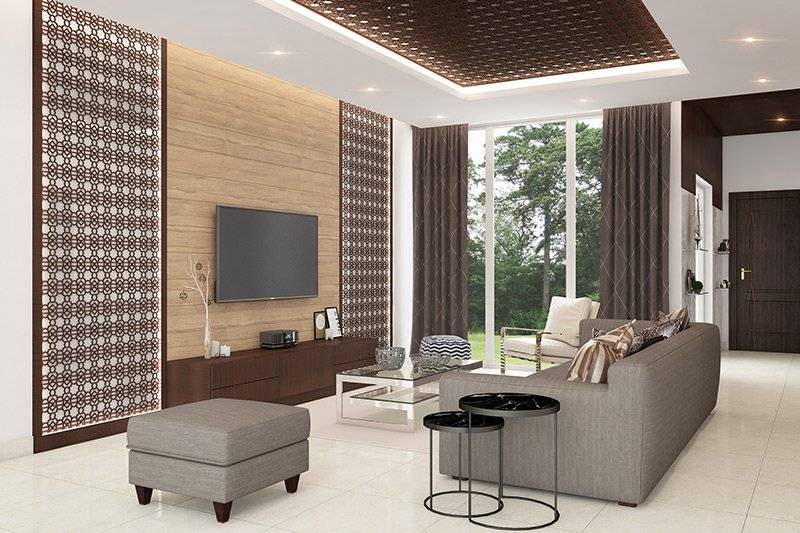
Take living rooms, for example. Wall-mounted entertainment units with closed cabinetry keep electronics and clutter out of sight. In bedrooms, storage beds provide hidden space for linens and out-of-season clothing. Kitchens benefit greatly from vertical pull-out pantry systems and corner cabinets with rotating shelves.
By designing storage to match the overall décor—using materials, finishes, and colors that complement your home’s aesthetic—you ensure it doesn’t stand out as utilitarian but rather feels like a seamless part of the design.
Lighting That Elevates Both Mood and Practicality
Lighting is often underestimated in home maintenance and renovation plans, yet it plays a critical role in both style and functionality. The right lighting setup can transform a dim room into a welcoming retreat or a chaotic kitchen into a focused cooking space.
Layer your lighting in each room. Ambient lighting sets the overall mood, task lighting focuses on functionality, and accent lighting brings attention to architectural or decorative features.
Consider adding under-cabinet lighting in the kitchen to make meal prep easier, or a dimmable chandelier in the dining room that lets you switch from bright family meals to intimate dinners. Choose fixtures that match your home’s interior style—whether sleek modern, rustic farmhouse, or traditional elegance—so the lighting becomes part of the décor, not just a necessity.
Embracing Smart Technology Thoughtfully
Modern home renovations increasingly incorporate smart technology, but it’s crucial to implement it in ways that add meaningful function without overwhelming the aesthetic.
Smart thermostats, for instance, blend effortlessly into a wall and allow you to control climate settings remotely while improving energy efficiency. Automated window treatments can be programmed for privacy and light control without manual adjustment, and many now come in fabric styles and finishes that complement any interior.
When selecting smart home devices, consider those that offer app integration or voice command capability, but also look for designs that match your color palette or architectural choices. Technology should blend in, not dominate the space.
Open Floor Plans and Flexible Layouts
Combining style and function often means rethinking traditional layouts. Open floor plans have grown in popularity because they offer a sense of spaciousness, allow for better lighting flow, and encourage more flexible use of space.
However, open doesn’t have to mean chaotic. Strategic placement of furniture, the use of area rugs, partial walls, or sliding doors can create zones within an open space. These visual boundaries maintain the airy feeling while supporting daily activities like work, dining, or relaxing.
For multi-functional rooms—such as a guest room that doubles as a home office—opt for foldable furniture, murphy beds, or modular shelving. The design should support transitions between functions without feeling cluttered or improvised.
Bathroom Upgrades with Both Comfort and Elegance
Bathrooms are another area where style and function must coexist harmoniously. A beautifully tiled shower or a marble countertop won’t be much appreciated if the room lacks adequate ventilation, proper lighting, or storage.
Choose stylish yet slip-resistant flooring, invest in good lighting for grooming tasks, and consider floating vanities that provide both visual openness and usable storage. Features like heated towel racks, motion-sensor faucets, and anti-fog mirrors add a sense of luxury while enhancing daily routines.
Frameless glass shower enclosures and wall-mounted fixtures contribute to a sleek, modern look while also being easier to clean and maintain—a perfect example of where design and practicality meet.
Outdoor Spaces That Invite Use
Home maintenance doesn’t stop at your front door. Patios, decks, gardens, and balconies also benefit from updates that combine beauty with usability.
Low-maintenance landscaping, weather-resistant furniture, and well-placed lighting can turn an underused yard into an outdoor living room. Shade features like pergolas or retractable awnings not only enhance comfort but also add architectural interest to the space.
Rainwater collection systems, solar lighting, and native plants provide functional, eco-friendly upgrades that support sustainability without sacrificing curb appeal.
Consistency in Design Without Losing Practicality
One challenge in renovations is maintaining a consistent design language across your home while allowing each space to fulfill its purpose. Cohesion is important—but not at the cost of usability.
Use recurring materials or color schemes to tie rooms together, but tailor the details to each space’s demands. For example, the same warm wood tone can appear in kitchen cabinets, living room shelving, and bedroom headboards, but each feature should be adapted to suit that room’s needs.
Be intentional with accents. Decorative moldings, wall treatments, or statement pieces should complement the function of the room rather than detract from it.
Maintenance Planning with Aesthetic Consideration
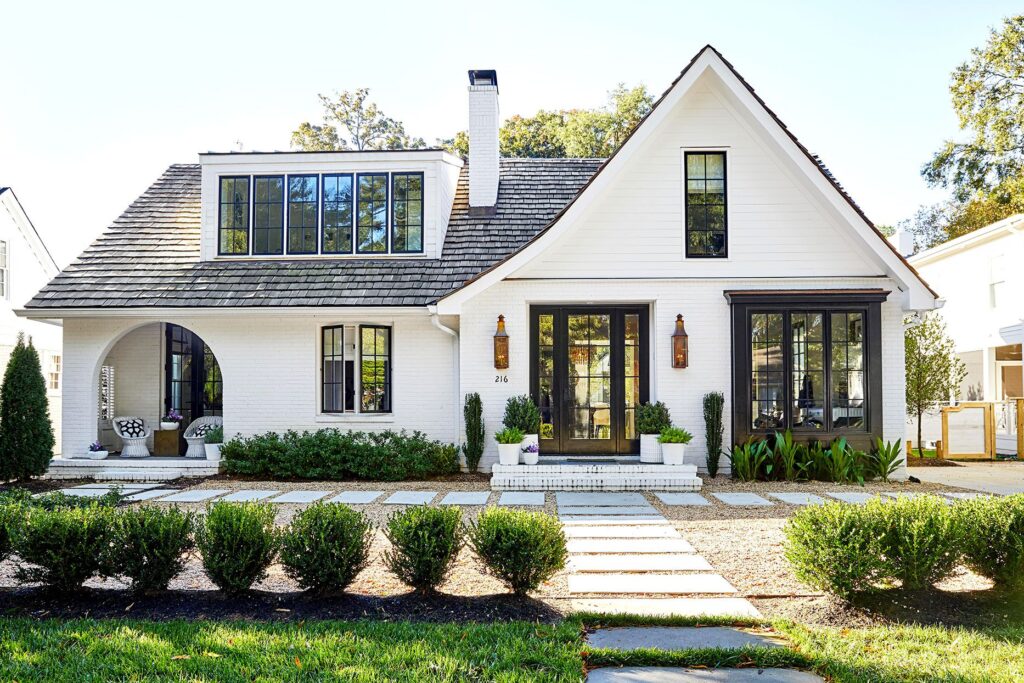
Even your maintenance practices can reflect style when thoughtfully planned. Repainting exterior walls? Choose timeless tones that uplift curb appeal and resist fading. Replacing windows? Opt for energy-efficient models that enhance the home’s architectural features.
Think long-term. Choose materials and finishes that don’t require excessive upkeep yet remain stylish through trends. When repairing or updating elements like roofing, plumbing fixtures, or HVAC systems, consider options that enhance both reliability and visual harmony with the home’s character.
Designing a Home That Works for You
Combining style and function in home maintenance and renovations is all about intention. It’s the art of making choices that serve your life practically while satisfying your aesthetic preferences. When done right, your home doesn’t just look good—it lives well.
Every home is different, and every homeowner’s definition of “style” and “function” will vary. That’s why the most successful renovations begin with clear priorities, thoughtful planning, and a willingness to invest in quality where it matters most. Whether you’re tackling a full remodel or making small improvements, keep asking yourself: “Does this serve a purpose—and do I love how it looks?”
That’s the sweet spot where form meets function. And that’s where your home truly becomes your sanctuary.