When people think about home maintenance and renovations, their minds usually drift toward improved aesthetics, functionality, or property value. However, one of the most overlooked aspects of upkeep and remodeling is its relationship with homeowners insurance. Your property’s condition, the risks it poses, and the investments you make to improve or safeguard it all directly affect your insurance coverage, premiums, and claims. In fact, insurers assess various elements of your home’s physical integrity to determine whether your policy is valid and what you will pay.
Let’s explore how home maintenance and renovations impact insurance, why insurers care about upkeep, and how smart decisions can lead to lower premiums and fewer disputes in times of crisis.
Why Insurers Care About Home Maintenance
Home insurance companies don’t just provide financial protection in case of disaster—they also work to manage and mitigate risk. A poorly maintained home increases the likelihood of accidents, damages, and costly claims. For example, a leaky roof left untreated can lead to major structural issues, water damage, or mold growth. From the insurer’s perspective, preventable problems are signs of negligence. This can make a homeowner appear as a high-risk client.
Routine home maintenance reduces the chances of claims being filed. A well-maintained property is less likely to experience incidents that lead to insurance payouts, such as electrical fires, water leaks, or injuries caused by structural defects. As a result, insurers often reward homeowners who keep their properties in good shape with more favorable rates and continued coverage eligibility.
Neglect, on the other hand, can not only void your insurance but also result in claims being denied. If an investigation finds that damage resulted from long-term neglect, even comprehensive insurance coverage may not help you.
Renovations Can Increase or Decrease Risk
When it comes to home renovations, the effect on insurance can go either way depending on the nature of the project. Some upgrades reduce risk and qualify for discounts, while others may increase liability or the value of the home, thereby raising your premiums.
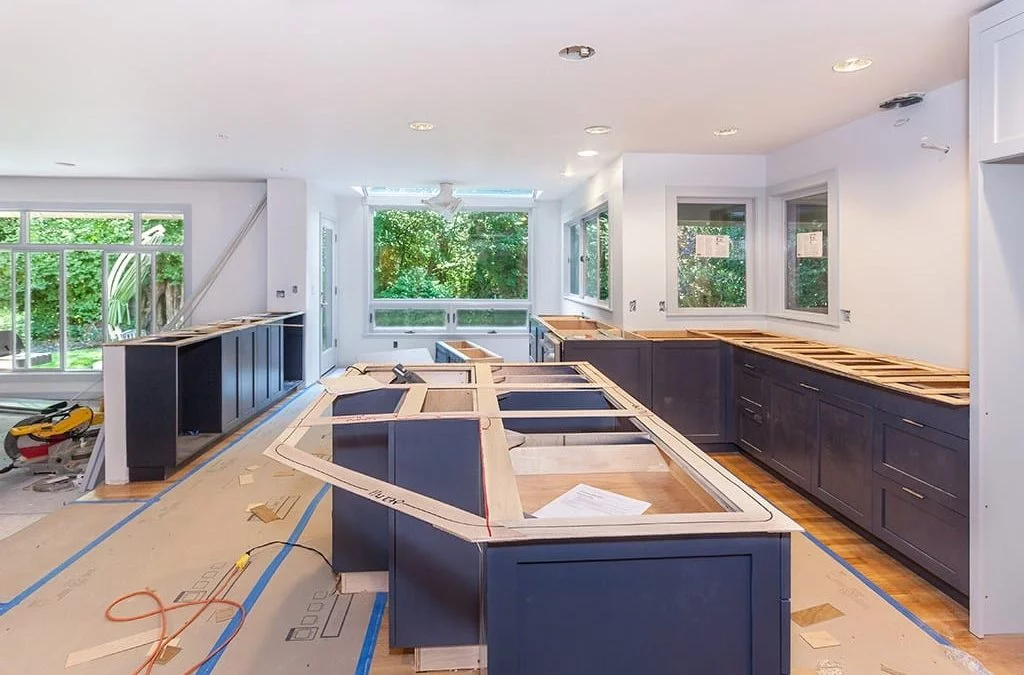
If you renovate your electrical system to meet modern safety standards, replace old plumbing, install a new roof, or update your HVAC system, you’re reducing potential hazards. Insurers often view these types of upgrades favorably and may adjust your premium accordingly. Replacing an aging roof, for instance, can protect against storm damage and water intrusion, which benefits both you and your insurance provider.
However, renovations that add space, luxury, or amenities to the home can increase your replacement cost and therefore your premiums. Adding a swimming pool or hot tub may enhance your lifestyle, but they also pose new liabilities. Likewise, building an extension or upgrading materials (like replacing laminate with granite or installing hardwood floors) boosts the home’s value and the cost to rebuild it in case of total loss. If your policy isn’t updated to reflect the renovation, you might be underinsured without realizing it.
The Importance of Notifying Your Insurance Company
A crucial but frequently forgotten step in home renovation is informing your insurance provider. Many homeowners assume their policy automatically covers whatever changes they make, but that’s a dangerous assumption. Whether you’re knocking down walls or upgrading your kitchen, failing to disclose renovations can complicate future claims.
Your insurer needs accurate, up-to-date information to provide the right protection. After a renovation, they may want to reassess the value of your home, ensure that proper safety measures have been taken, and adjust your policy. If you fail to inform them and later file a claim, you risk denial of coverage or full reimbursement.
In some cases, contractors hired for renovation may also require proof of liability coverage, and you might need to update your policy during construction to ensure coverage for potential accidents or damages related to the renovation process.
Maintenance Records Help During Claims
One of the most effective ways to support a home insurance claim is to keep detailed maintenance and renovation records. When damage occurs, insurers often investigate the cause. They want to know whether it resulted from a covered peril or was caused by homeowner neglect.
If you can demonstrate that your roof was inspected last year, your plumbing was serviced recently, or you regularly maintain your HVAC system, your claim is more likely to be processed quickly and fairly. Documentation removes ambiguity and shows that you’ve taken your role as a responsible homeowner seriously.
Homeowners who invest in preventative care—like pest control, mold prevention, or foundation inspections—can prove they’ve worked to reduce risk. In contrast, those who cannot produce a maintenance history may face skepticism from insurers, particularly if the damage could have been prevented.
Renovations That May Require Additional Coverage
There are certain types of home renovations that necessitate a closer look at your insurance policy. These upgrades can raise the home’s value significantly or introduce new types of risk. If not addressed, they may leave gaps in your coverage:
Home offices or business spaces: If your renovation includes converting a room into a workspace for business, standard homeowners insurance may not cover business-related assets or liability. You might need a separate rider or business policy.
Basement finishing: A finished basement adds value and utility to a home, but it’s also more vulnerable to water damage. If your area is prone to flooding, you may need a separate flood insurance policy since standard home insurance doesn’t typically cover flood-related damage.
Detached structures: Adding a shed, studio, or guest house may require additional structures coverage. These buildings need to be included in your dwelling or other structures limit to ensure they are properly protected.
Smart home systems: Adding high-tech equipment, security systems, or automated climate controls can enhance safety, which insurers appreciate. In some cases, having monitored alarms or leak detection devices may even earn discounts.
Insurance Inspections and Home Value Adjustments
After significant renovations, insurers might conduct a home inspection or require a professional appraisal to reassess the property’s replacement cost. This determines how much coverage is needed in case of total loss. The inspection will evaluate not just the quality of materials used but also potential risks that might not have been present before the renovation.

For example, if you upgrade from a 100-amp to a 200-amp electrical panel or install fire-resistant roofing, these changes might result in a lower risk classification. On the other hand, if you’ve added a deck or fireplace, those additions might increase liability or fire risk, prompting premium increases.
It’s in your best interest to ensure your insurance reflects the current state of your home. Underinsurance can lead to heartbreaking situations where a claim only covers a portion of what you need to rebuild or replace.
How Renovation Loans and Insurance Interact
If you finance your renovation through a home equity loan or renovation mortgage, your lender may require that your insurance policy reflects the increased value of the home. Lenders want assurance that the asset is fully covered in case of a disaster.
Some policies may include clauses that mandate updates to your coverage if renovations exceed a certain dollar amount. Always review your insurance documents before starting a major project, and speak with your agent to make sure your policy aligns with your home’s post-renovation state.
Integrating Insurance into Your Home Strategy
Home maintenance and renovations are about more than just aesthetics and comfort. They are crucial elements of home risk management and financial planning. Your insurance is only as good as the condition and value of your home at the time a claim is filed. Regular upkeep prevents damage that could lead to claim denials, while smart renovations—when properly documented and communicated—can reduce risk and improve coverage.
The key to leveraging insurance alongside renovations is transparency and proactive communication. Always notify your provider of updates, request policy adjustments when necessary, and keep records of every service and upgrade performed. Doing so doesn’t just protect your home—it protects your financial security.
In the end, a well-maintained, properly insured home offers more than peace of mind—it ensures that when life’s inevitable surprises occur, you’re not left footing the bill alone. Understanding the connection between home maintenance, renovations, and insurance is the foundation of responsible homeownership.